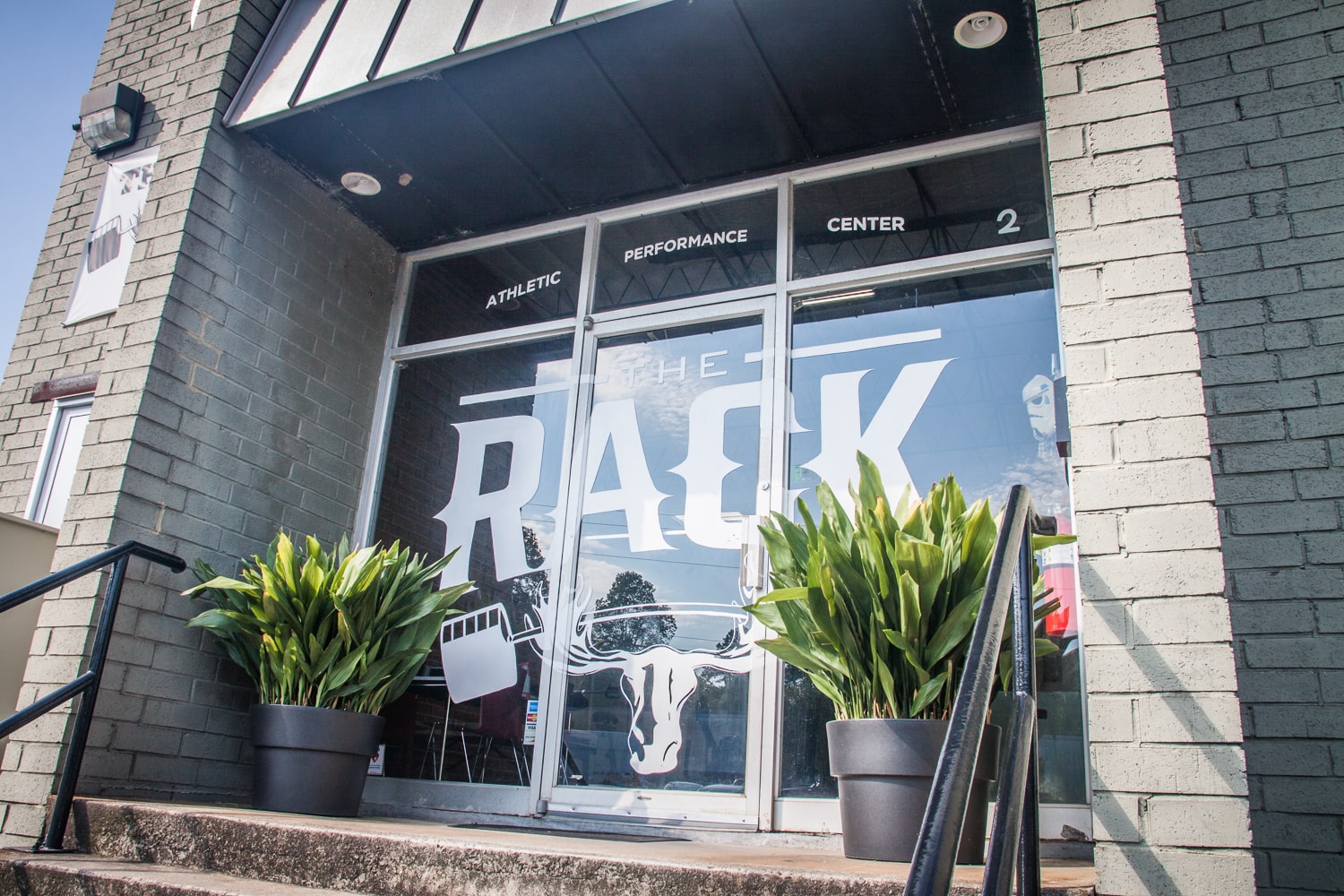

Physical activity isn’t just about maintaining a healthy weight—it plays a vital role in supporting every system in your body as you age. Working with a Brookhaven athletic trainer can help ensure you’re exercising safely and effectively, so you can slow age-related changes and preserve your muscle mass, bone density, joint flexibility, and even cognitive sharpness.
Diverse types of movement offer distinct benefits:
- Cardiovascular exercise—like walking, swimming, cycling, or jogging—fuels your heart and lungs, boosts circulation, and keeps metabolism humming. It also releases endorphins, which steadies mood and relieves stress.
- Strength training is essential to preserve muscle and bone mass, which naturally decline with age. Activities like weight lifting, resistance bands, or bodyweight exercises can help reduce the risk of falls, improve balance, and maintain daily function.
- Flexibility and balance work, such as yoga, tai chi, or stretching routines, help guard against injuries, ease stiffness, and increase confidence moving through daily life.
The secret is to select activities you genuinely enjoy, so movement becomes a sustainable habit. Whether you love dancing, gardening, hiking, or group fitness classes, consistency offers major returns no matter when you begin.
Nutrition for Longevity: Fueling Your Body and Brain
What you eat now can shape how you age in powerful ways. A nutrient-rich diet supports immunity, keeps weight in check, and helps regulate everything from blood sugar to mood.
- Focus on variety. Fill your plate with colorful fruits and vegetables, aiming for a “rainbow” each day. These foods are packed with antioxidants, vitamins, and fiber critical for cellular repair and digestive health.
- Choose healthy proteins. Lean cuts of poultry, fish, beans, legumes, tofu, and small servings of nuts can help repair tissues and support healthy muscles.
- Go for whole grains. Brown rice, oats, quinoa, and whole wheat breads provide lasting energy and fiber.
- Include healthy fats. Avocado, olive oil, walnuts, and fatty fish like salmon deliver essential fatty acids for brain health and inflammation control.
Hydration also plays a major role as you age—the body’s ability to sense thirst can decline. Make a habit of sipping water throughout the day and limit drinks high in sugar, sodium, or caffeine.
Avoiding—or at least moderating—processed foods, saturated fats, and added sugars reduces the risk of chronic illnesses like diabetes, high blood pressure, and heart disease. Instead, focus on home-cooked meals and mindful portion sizes to give your body what it needs to thrive.
Restoring Through Sleep: Why Quality Rest Matters
Sleep is more than just a nightly ritual; it’s essential for your mind and body to heal, regenerate, and process memories. Aging adults often face unique challenges with sleep, from hormone changes to disrupted schedules.
Aim for 7–9 hours of restful sleep per night. Consider these tips:
- Create a calm, cool, and dark environment to fall asleep more easily.
- Establish a relaxing pre-bedtime routine: gentle stretching, meditation, or reading a book.
- Avoid screens (phones, computers, TVs) for at least 30 minutes before bed, as their blue light interferes with the body’s melatonin production.
- Reduce caffeine or alcohol intake late in the day, and try to keep a consistent sleep schedule even on weekends.
Those who prioritize quality sleep enjoy stronger immune systems, clearer thinking, stabilized moods, and greater capacity for healing. If sleep troubles persist, consult your healthcare provider to rule out underlying issues such as sleep apnea or restless legs syndrome.
Stress Management: Protecting Your Mind and Body
Chronic stress is linked to numerous negative health effects, from increased inflammation to higher risk of chronic disease and even faster biological aging. Counteracting this requires a two-pronged approach: reducing triggers and building resilience.
Effective strategies include:
- Mindfulness and meditation: Practicing deep breathing, meditation, or prayer can soothe the mind and reduce worry in the present moment.
- Physical activity: Movement—whether yoga stretches, brisk walks, or light garden chores—acts as a natural stress buster.
- Social connections: Maintaining relationships with family, friends, or community groups uplifts mood and provides much-needed support, especially during challenging times.
- Enjoyable activities: Carve out time each week for hobbies, music, crafts, or volunteer work. These pursuits offer a sense of purpose and help buffer against daily pressures.
By incorporating regular self-care and pausing to celebrate your small wins, you foster resilience and a more positive outlook through every stage of life.
Mental Enrichment: Lifelong Learning and Cognitive Health
Just like your muscles, your brain benefits from regular exercise. Staying mentally active has been shown to delay cognitive decline and may even offer protection against forms of dementia.
Challenge your brain through:
- Reading widely—novels, nonfiction, magazines
- Solving puzzles and logic games (crosswords, sudoku, chess)
- Learning new skills: a language, musical instrument, or artistic pursuit
- Taking classes in your community or online (history, cooking, photography)
- Staying curious in daily life—question, explore, and engage with fresh ideas
Seek out social and intellectual stimulation, as connecting with others while learning heightens its benefits.
Preventive Health: The Role of Regular Check-Ups and Screenings
Being proactive with your health dramatically increases your chances of catching issues before they become problems. Build a partnership with your healthcare providers to establish a regular schedule of check-ups, immunizations, and age-appropriate screenings—such as blood pressure checks, cholesterol monitoring, cancer screenings, eye and hearing tests, and bone density scans.
Prevention includes:
- Managing chronic conditions proactively (diabetes, hypertension)
- Staying updated on vaccinations, like flu and pneumonia shots
- Knowing your family health history so that risk factors can be addressed early
- Communicating openly about any new symptoms, pain, or changes you notice in your body or mood
The goal is to create an individualized roadmap for your health, empowering you to make informed decisions at every step.
Putting It All Together: Flourishing Through the Aging Process
While aging is inevitable, the way you experience it is shaped by the lifestyle habits you develop and maintain. Visiting an athletic performance center can support you in embracing daily movement, prioritizing balanced nutrition, protecting restorative sleep, managing stress, keeping your mind engaged, and staying proactive with routine medical care—all essential steps for living your best life now and for many years to come.
Remember, it’s never too late to start making even small shifts toward these proven strategies. By approaching each day with positivity and purpose, you can outsmart aging and create a fulfilling, vibrant, and joyful life at any stage. Prioritize self-care, celebrate your accomplishments, and look to each new year with confidence and gratitude.

JERMAINE HOUGH JR.
MS