
Most “summer body” plans promise quick aesthetic changes but ignore the strength, function, and health that actually keep you looking and performing great year-round. Performance-based training flips that script by building capability first—how you move, lift, and feel—and letting aesthetics become the natural side effect. That’s where personalized fitness programs come in, tailoring your training to your body, goals, and lifestyle so results are not only visible but sustainable.
The Problem With “Summer Body” Thinking
The traditional “summer body” mindset is built on urgency and appearance: lose weight fast, tighten up trouble spots, and look good on a specific date. It’s usually driven by:
- Crash diets and extreme calorie cuts
- High-rep “toning” circuits with light weights
- Endless cardio sessions to “burn fat.”
- Short-term challenges that last 4–8 weeks
This approach creates a few predictable problems:
- You feel run-down and hungry, not strong.
- You might lose some weight, but much of it is water and muscle.
- As soon as life gets busy again, your routine falls apart.
Gyms that specialize in serious strength and performance see what happens next: people roll back in every year, frustrated that they’re starting from zero again instead of building on last year’s progress.
Performance vs Appearance Training
To be clear, there’s nothing wrong with wanting to look better. The issue is how you get there.
Appearance-First Training
Appearance-focused training is built around what you see in the mirror:
- Targeting “problem areas” (abs, arms, thighs)
- Chasing soreness or sweat as proof of a “good” workout
- Choosing exercises based on how they feel in one muscle, not how they improve overall performance
These workouts often:
- Use light weights and high reps without a clear progression
- Rotate exercises randomly for “muscle confusion.”
- Prioritize quick fatigue over long-term strength or skill
You might see short-term visual changes, but they usually come with plateaus and nagging aches.
Performance-First Training
Performance training starts with a different set of questions:
- How much stronger can you get?
- How well can you move—run, jump, change direction, and control your body?
- How durable are you under stress—on the field, in the gym, and in daily life?
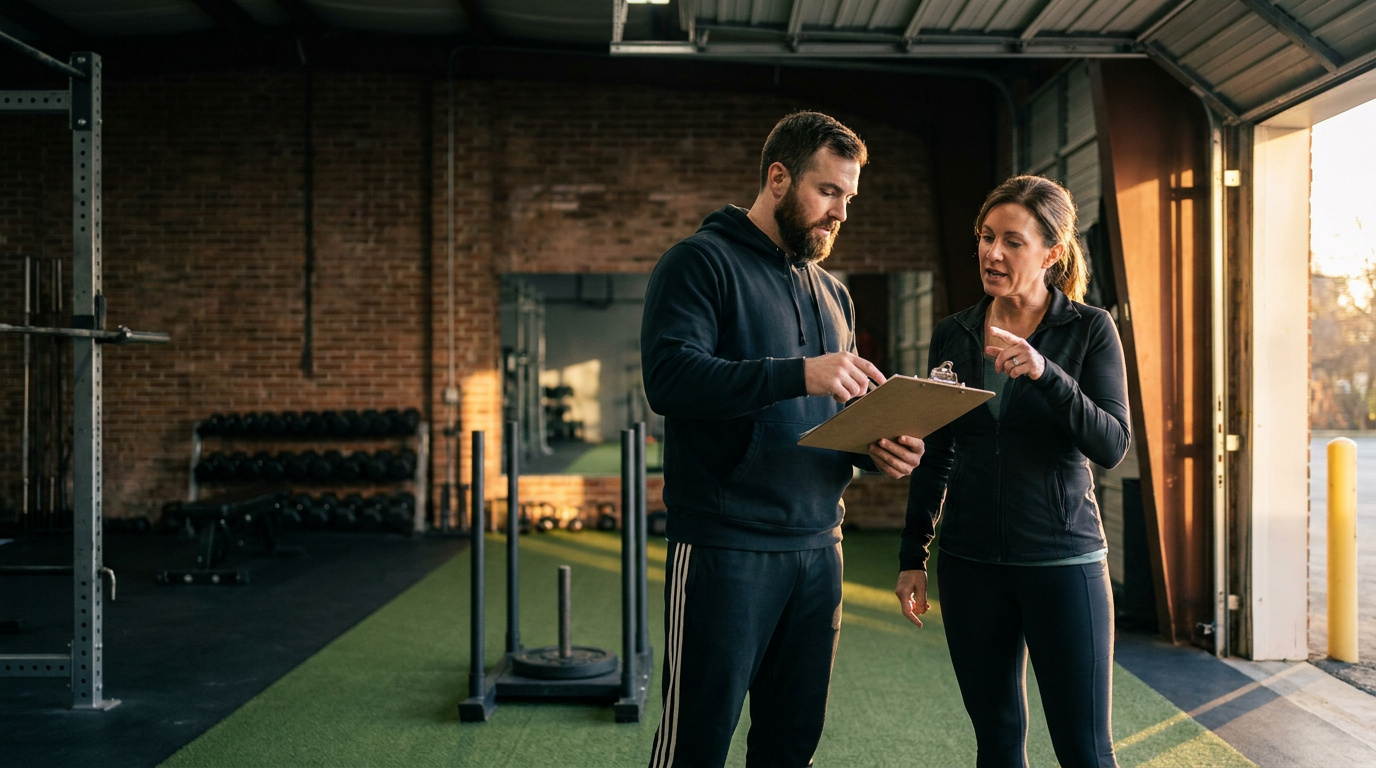
At a performance-focused facility like The Rack APC, programs are designed to improve specific traits: strength, power, speed, endurance, and resilience. Athletes and adults work from individualized plans that progress over weeks and months instead of random “burnout” sessions.
The irony: when you train for performance, the physique most people chase in summer-focused programs tends to show up as a byproduct—more muscle, less fat, better posture, and more confidence.
Why Strength and Function Create Better Long-Term Results
Your body changes in response to the stress you put on it consistently. Performance training leverages that reality.
Strength Is the Engine Behind Your Physique
Gaining strength through progressive resistance training:
- Increases lean muscle mass, which raises daily energy expenditure
- Improves bone density and joint health
- Makes everyday tasks—carrying groceries, climbing stairs, playing sports—easier
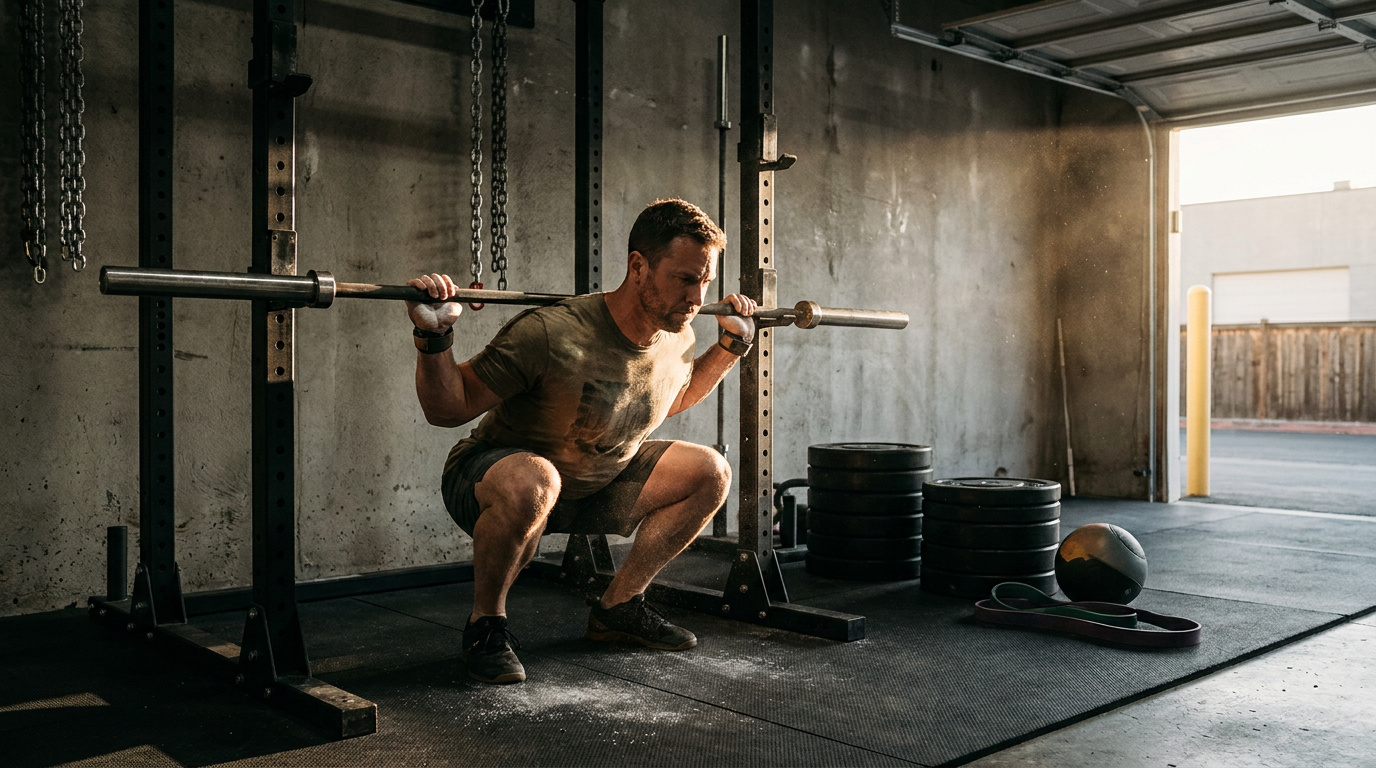
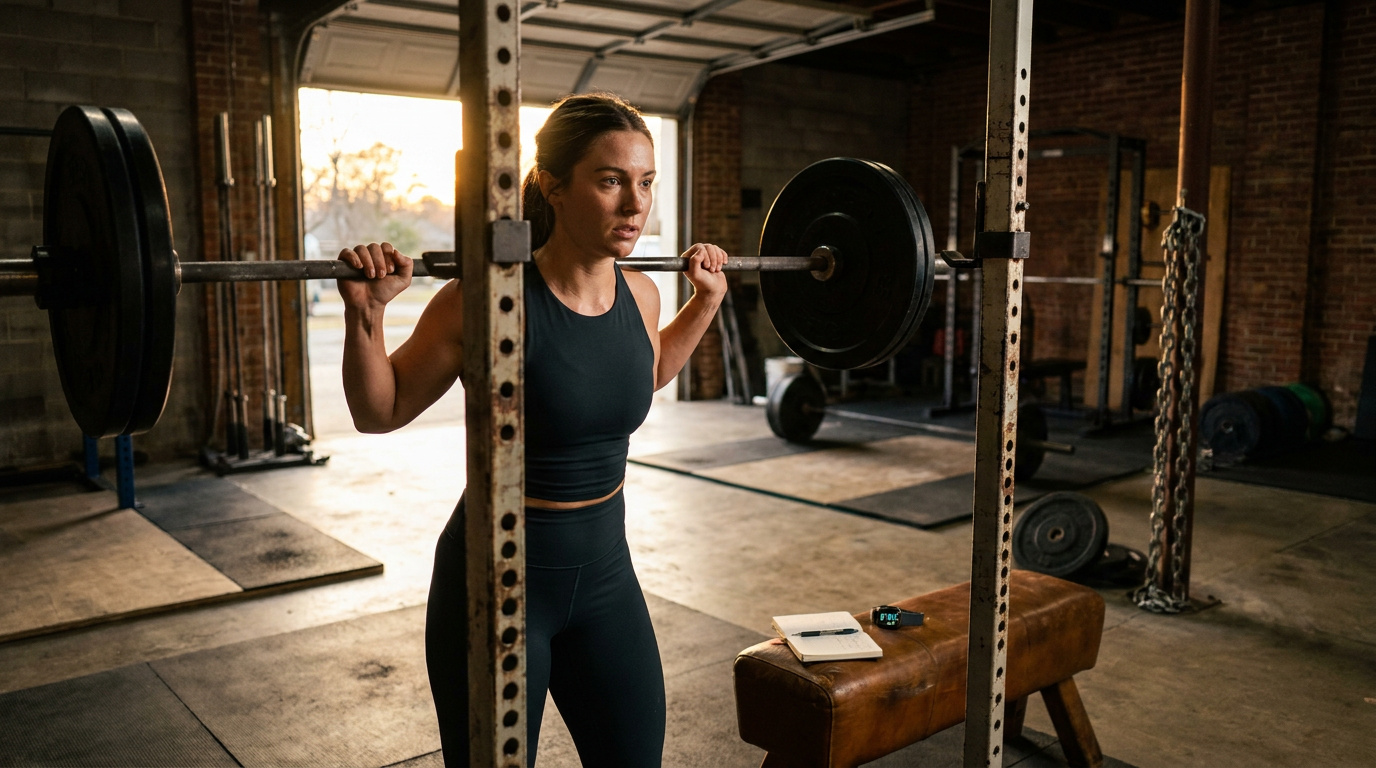
When a program includes big compound lifts (squats, hinges, presses, pulls) and progresses them over time, you build an engine that supports any aesthetic goal. The Rack APC’s members routinely mention getting stronger, moving better, and feeling younger, not just looking leaner.
Function Keeps You in the Game
Functional capacity—how well your body performs tasks—is what lets you keep training hard enough to progress:
- Good movement patterns protect joints and tendons.
- Strong posterior chain and core reduce back and knee issues.
- Balanced programs prevent overuse from “hammering” the same muscles.
Performance gyms emphasize movement quality first: teaching proper squats, hinges, pushes, pulls, and carries, then layering intensity on top. That’s a very different strategy from copying a random influencer workout designed only to create a pump or a burn.
Consistency Beats Intensity
Anyone can push themselves through a brutal 6-week shred. Very few can (or should) live in that mode year-round.
Performance training is built for:
- Sustainable frequency (2–4 sessions/week)
- Planned progression and deloads
- Adjustments around real life—travel, stress, sports seasons
This is why so many long-term clients at The Rack APC talk about training there for years, not weeks, and seeing continuous strength, body composition, and performance improvements.
How Athletes Actually Train (And What You Can Learn)
Most people say they want to “train like an athlete,” but then choose workouts that no serious athlete would ever do for more than a week.
Athletes Train in Seasons, Not Phases of Panic
Competitive athletes structure the year into:
- Off-season: build strength, power, and muscle; address weaknesses and injuries.
- Pre-season: convert that strength into speed, agility, and sport-specific conditioning.
- In-season: maintain strength and performance while managing fatigue.
- Post-season: recover, reassess, and reset.
Performance gyms like The Rack APC design programs that follow these cycles for their athletes, adjusting volume, intensity, and exercise selection as the year shifts. They don’t panic train for one month to look good at a beach tournament and then disappear.
You can apply the same concept:
- Have phases where you push hard to build muscle and strength.
- Have phases where you maintain, focus on skill, or prioritize life outside the gym.
- Plan it ahead instead of reacting to a date on the calendar.
Athletes Measure Performance, Not Just the Mirror
Serious training environments track:
- Strength numbers on key lifts
- Vertical jump, sprint times, conditioning markers
- Movement quality and pain levels
At The Rack APC, initial assessments and follow-up testing are part of how they prove progress to clients and athletes. Appearance changes are a bonus, but not the only scorecard.
You can adopt this mentality by tracking:
- How much weight do you lift for 5–8 reps in major movements
- How many quality push-ups, pull-ups, or split squats can you do
- How do you feel after a long day or a weekend of activity
These markers tell you whether your body is more capable—not just lighter.
Athletes Don’t Chase Random Soreness
Athletes aren’t trying to be as sore as possible; they’re trying to be as prepared as possible.
Their training:
- Prioritizes key movements and muscles repeatedly
- Balances hard days with lighter days or recovery sessions
- Avoids constantly changing programs just to “keep it interesting.”
Performance gyms are built around purposeful repetition with thoughtful progression. That’s why athletes can train hard year after year without burning out.
What Performance Training Looks Like for Regular People
You don’t need to be a college or pro athlete to benefit from performance-style training. The same principles apply whether you’re a busy parent, weekend warrior, or someone who just wants to feel and look better.
Principle 1: Train Movements, Not Just Muscles
Instead of isolating body parts, build your program around:
- Squat patterns (e.g., squats, split squats, leg presses)
- Hinge patterns (e.g., deadlifts, hip thrusts, RDLs)
- Push patterns (e.g., bench press, push-ups, overhead press)
- Pull patterns (e.g., rows, pull-ups, pulldowns)
- Carries and core (e.g., farmer’s carries, planks, anti-rotation work)
These movements:
- Recruit more muscle, burning more energy
- Build strength that transfers to real life and sports
- Stimulate the kind of muscle development that changes your shape, not just your weight
Principle 2: Progress Over Time
Performance training uses progressive overload, not random overload.
That means:
- Gradually increasing weight, reps, or sets
- Moving from easier variations to harder ones
- Improving technique and range of motion
At The Rack APC, programs typically evolve every few weeks, so clients keep progressing without being overwhelmed by constant novelty.
Principle 3: Respect Recovery
High performers understand that adaptation happens between sessions, not just during them.
So your plan should:
- Include rest days or lighter days
- Balance hard lower-body and upper-body sessions
- Adjust for sleep, stress, and schedule changes
Facilities like The Rack APC also encourage soft-tissue work, mobility, and even services like massage to support long-term training.
Why Performance Training Produces Better Aesthetics Anyway
Here’s the twist: when you adopt a performance-first mindset and stay consistent, the aesthetic benefits most people chase show up more reliably and stick around longer.
More Muscle, Better Shape
Performance training builds lean muscle across the entire body, which:
- Improves posture (less slouching, more upright presence)
- Creates definition in the shoulders, back, legs, and glutes
- Makes clothes fit better because you’re reshaping, not just shrinking
Clients at The Rack APC frequently mention feeling and looking stronger, whether they came in for sports performance or general fitness.
Higher Metabolism, Easier Maintenance
More muscle mass and better training intensity:
- Increase daily calorie burn
- Improve insulin sensitivity and nutrient partitioning
- Make it easier to maintain a healthy body composition without extreme dieting
Instead of “earning” your summer body every year from scratch, you maintain a strong baseline and simply tighten up habits when needed.
Confidence Beyond the Mirror
Knowing you can:
- Hit a personal best on a lift
- Run, jump, or play without pain
- Keep up with kids, hobbies, and sports
…creates a confidence that no crash diet ever will. Many Rack members highlight feeling younger, more capable, and more resilient—even after decades of “regular” gym attempts.
How to Shift From Summer Body to Performance Mindset
You don’t have to abandon your desire to look good; you just need a better strategy.
Step 1: Set Performance-Focused Goals
Instead of:
- “I want abs in 6 weeks.”
Try:
- “I want to add 40 pounds to my squat in 6 months.”
- “I want to do 10 push-ups with perfect form.”
- “I want my knees and back to feel better going up stairs.”
These goals are under your control and naturally support appearance changes.
Step 2: Choose the Right Training Environment
Look for a gym that:
- Programs around strength, movement, and progression
- Has coaches who work with athletes and general population clients
- Tracks progress and adjusts programming, not just runs random classes
The Rack APC, for example, offers one-on-one training, small group coaching, and memberships, all centered on purposeful programming and top-tier equipment. Reviews consistently mention knowledgeable staff, custom plans, clean facilities, and an environment where people actually train—not just “work out.”
Step 3: Commit Beyond the Summer
Give yourself a longer runway:
- Think in 6–12 month blocks instead of 4–8 week challenges.
- Accept that muscle gain and strength take time, but pay off for years.
- Build habits you can see yourself doing in the fall, winter, and spring—not just June.
When you do this, “getting ready for summer” becomes a minor adjustment, not a yearly emergency.
The Truth About Summer Bodies
The truth is simple: the best “summer body” is a strong, capable, resilient body you’ve built over months and years—not something you crash diet for in May.
Performance training:
- Prioritizes strength, function, and durability.
- Naturally improves how you look by improving how you move.
- Keeps you progressing instead of yo-yoing between extremes.
If you’re ready to stop repeating the same cycle every year, shifting from aesthetics-only training to performance-based training is the most reliable way to build a body that looks good, works well, and actually lasts. And at a performance-focused facility like The Rack, you get the coaching, programming, and environment designed from the ground up to make that happen.