
It is easy for young athletes to look at professional athletes and want to train exactly like them. They see heavy lifting, intense workouts, advanced exercises, and impressive physical performances on social media. Naturally, they want to do the same things.
But there is an important difference between training like a professional athlete and training to become a better athlete.
For teenagers, the goal of strength and conditioning should not be to copy professional training programs. It should be to build the physical foundation necessary for long-term athletic development.
Build the Foundation Before Adding Intensity
Professional athletes have typically spent years developing their strength, coordination, mobility, and movement skills. Their training programs are designed around their experience, physical development, sport demands, and individual needs.
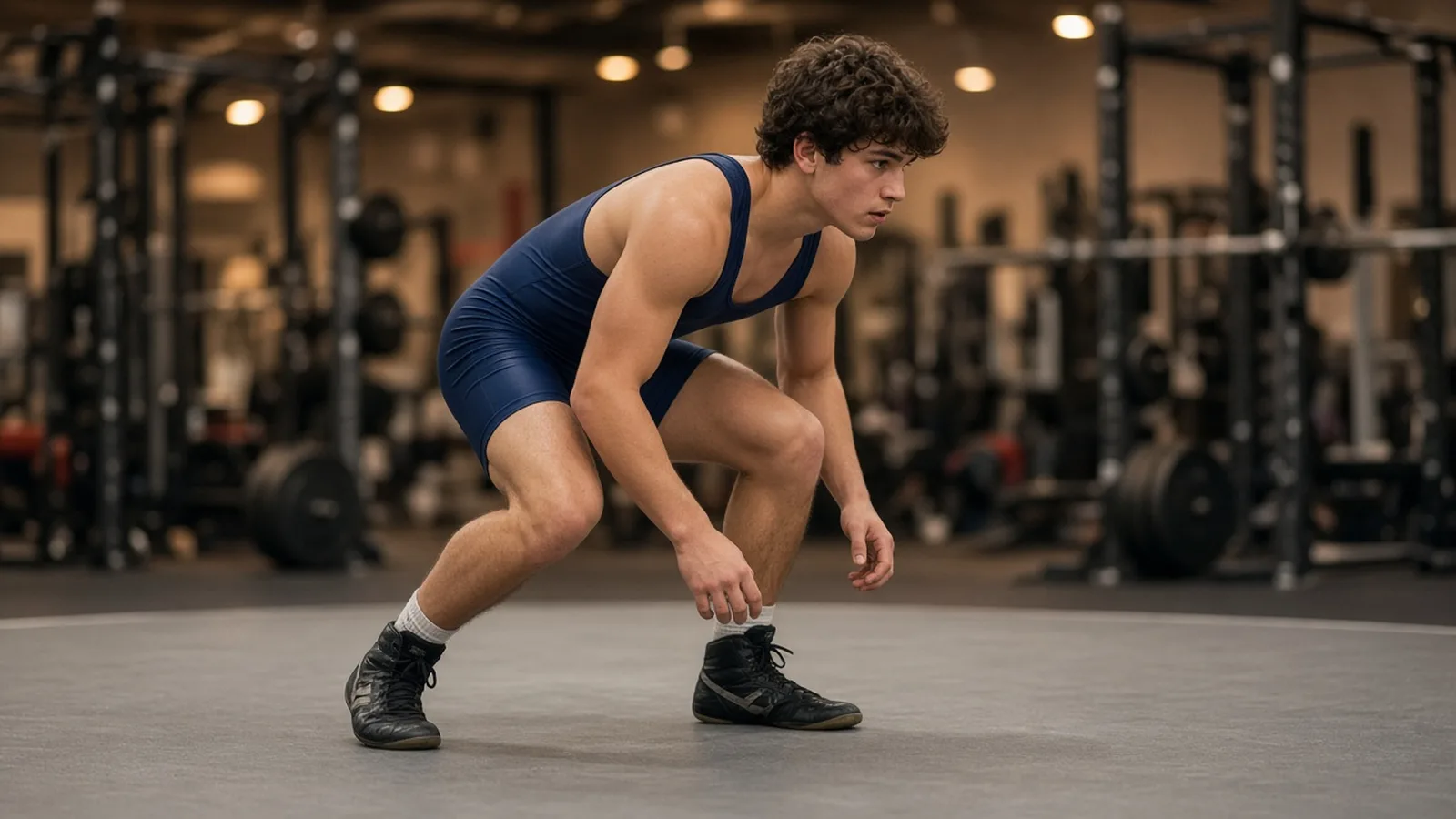
A 14- or 16-year-old athlete is at a very different stage of development.
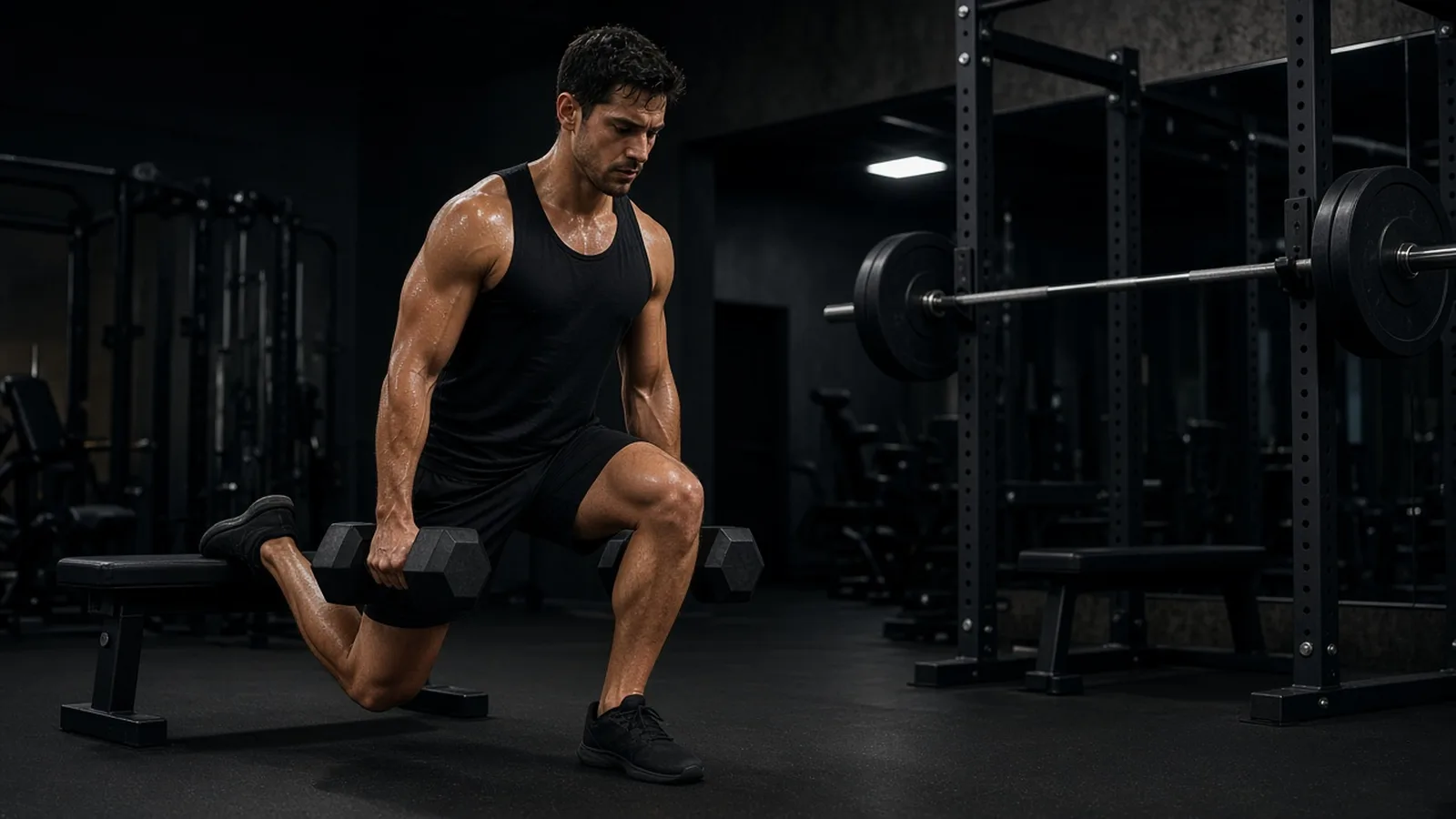
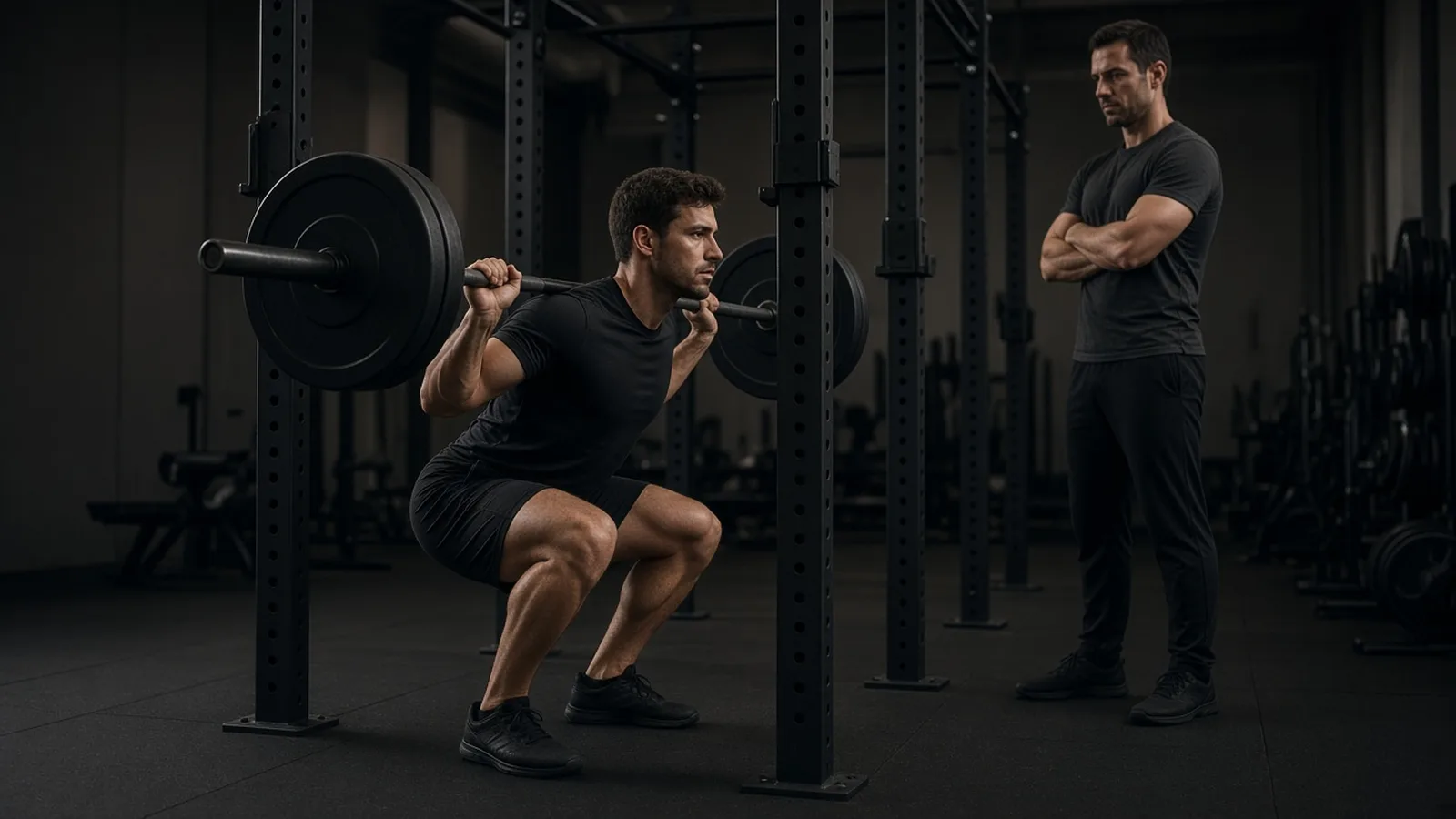
Youth strength training should prioritize learning proper movement patterns, developing foundational strength, improving coordination, and building body control. Exercises such as squats, lunges, push-ups, rows, and basic jumping and landing drills provide valuable opportunities to develop these qualities.
Before worrying about how much weight an athlete can lift, they should learn how to move efficiently and control their body.
More Weight Doesn’t Always Mean Better Results
One common mistake in youth athletic performance training is placing too much emphasis on lifting heavier weights.
Strength is important, but simply increasing the weight on the bar does not guarantee an athlete will become faster, more explosive, or better at their sport.
A well-designed strength and conditioning program develops multiple athletic qualities, including:
- Strength and force production
- Speed and acceleration
- Explosiveness and power
- Balance and coordination
- Mobility and movement control
- Deceleration and landing mechanics
These qualities work together to help athletes perform better in competition.
The objective should be to develop a well-rounded athlete, not just someone who can lift heavy weights.
Training Should Progress With the Athlete
Every athlete develops at a different rate. Age, physical maturity, training experience, sport participation, and individual movement ability should all influence how a training program is designed.
A beginner may need to spend more time learning basic exercises and developing coordination. A more experienced athlete may be ready for advanced strength training, plyometrics, resisted sprinting, and more demanding power exercises.
Good youth strength and conditioning programs recognize these differences and progress athletes appropriately.
The goal is not to rush development. It is to create consistent improvements that carry over to athletic performance.
Developing Athletes for the Long Term
At The Rack Athletic Performance Center, we believe effective athletic development starts with building a strong foundation.
Young athletes need more than intense workouts. They need structured strength and conditioning programs that teach them how to move, produce force, develop speed, and become more physically prepared for their sport.
Professional athletes didn’t become elite by skipping the fundamentals. They built their abilities through years of consistent training and progressive development.
Teenage athletes should follow that same principle: master the basics, develop strength, improve movement quality, and gradually increase training demands.
The goal isn’t to train a teenager like a professional athlete today. It’s to help develop the athlete they have the potential to become.
Matthew Walcott
B.S., CPPS, BPS, FRCms, CPT