
Hip mobility plays an important role in the function and health of the low back because the hip and lumbar spine work together during nearly every movement of the lower body. Adequate hip mobility allows the pelvis to move efficiently while reducing the amount of compensatory motion required from the lumbar spine. When hip mobility is limited, the low back may be forced to move excessively to achieve the range of motion needed for activities such as
squatting, running, jumping, and changing direction.
Limited hip extension is particularly important because restrictions in the hip flexors can contribute to excessive anterior pelvic tilt. This positioning may increase lumbar extension and place additional stress on the muscles, joints, and passive structures of the lumbar spine. Similarly, inadequate hip internal or external rotation can alter pelvic and lower-extremity mechanics, potentially increasing compensatory rotation or movement through the lumbar spine.
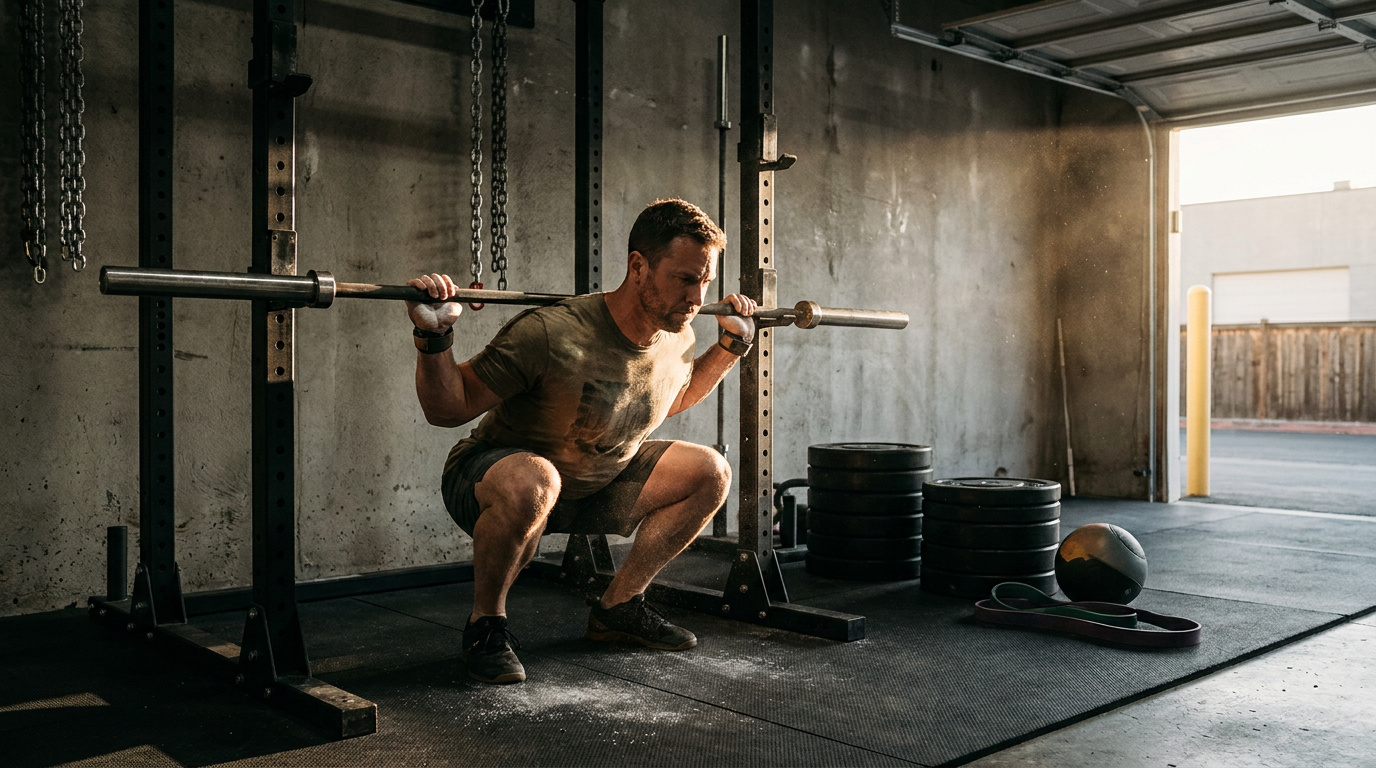
Hip mobility is also important during flexion-based movements. If the hips cannot adequately flex, the lumbar spine may contribute more motion during activities such as squatting or lifting. Repeated exposure to excessive lumbar movement, particularly under load, can increase mechanical stress and may contribute to low-back discomfort in some individuals.
Improving hip mobility can therefore help distribute movement more effectively throughout the kinetic chain. However, mobility alone is not always the solution. Hip strength, trunk control, motor coordination, and the ability to actively use available range of motion are also important. A well-functioning hip allows the pelvis and lumbar spine to share movement appropriately, helping maintain efficient mechanics during athletic and everyday activities. For athletes, maintaining adequate hip mobility can be an important component of reducing unnecessary stress on the low back and improving overall movement efficiency.
Coach Jared