
By mid-summer, a lot of athletes and parents start asking the same question: why does performance suddenly feel flat?
In June, motivation is high. Summer schedules still feel fresh. Camps are exciting, tournaments are opportunities, and extra practices seem like the fastest path to improvement. But by July, many athletes feel slower, heavier, and more beat up than they did at the start of summer. Legs feel dead. Jumps lose pop. Sprint times flatten out. Skills that looked sharp a few weeks earlier start to feel inconsistent.
This is the mid-summer slump, and it is more common than most athletes realize. It doesn’t just happen to athletes who are “out of shape” or “not working hard enough.” In many cases, it happens to the athletes who are doing the most. Too many camps. Too many games. Too little recovery. Not enough structured strength work. And almost no real plan connecting all of it.
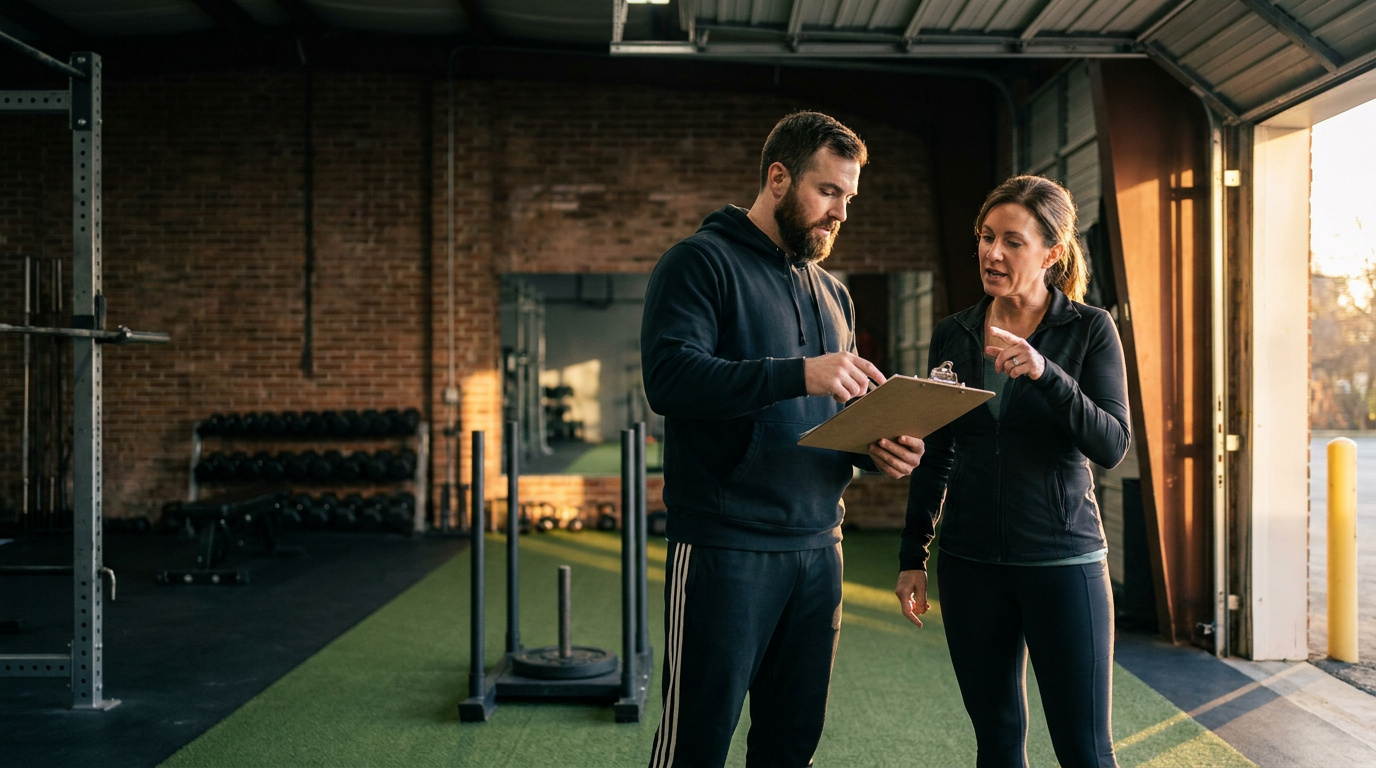
For serious athletes, July should not be a month of survival—it should be a month of smart adjustment. The athletes who stay sharp throughout the summer are not always the ones doing the most. They are the ones whose training is structured, whose workloads are carefully managed, and whose recovery is treated as a priority. Working with an Expert Personal Trainer Vinings can help athletes adapt their training to the demands of the season, optimize performance, and stay on track toward their long-term goals while reducing the risk of burnout and injury.
At a facility like The Rack Athletic Performance Center, that difference matters. The Rack works with professional, collegiate, and high school athletes, and its coaching model is built around individualized programming, progress tracking, and a serious training environment designed to improve performance while reducing injury risk. That kind of structure is exactly what helps athletes avoid the mid-summer drop-off that shows up every year.
What the Mid-Summer Slump Really Is
The mid-summer slump is not just “being tired.” It is the result of accumulated fatigue that builds quietly over several weeks until performance starts to drop.
Summer looks productive from the outside. An athlete may be attending exposure camps, playing for a travel team, going to skill sessions, lifting a little when possible, and trying to stay in shape between events. Parents often see a packed calendar and assume that more activity must mean more development.
But the body does not simply count activity. It responds to total stress.
That stress includes:
- Multiple practices in the same week.
- Tournament games on back-to-back days.
- Long car rides or flights.
- Hot outdoor conditions.
- Irregular meals.
- Inconsistent sleep.
- Little time for recovery between efforts.
An athlete may not notice the problem right away because fatigue accumulates gradually. Early on, adrenaline and motivation mask it. Eventually, though, the signs show up. Sprint speed drops. Power output falls. Soreness lingers longer. Small aches become recurring problems. Focus decreases. Confidence slips.
This is why July can be deceptive. Athletes often assume they need to train harder because they feel worse. In reality, many need better structure, not more random effort.
Why Summer Schedules Wear Athletes Down
The biggest reason athletes lose steam in mid-summer is simple: summer demands are often intense, but poorly organized.
During the school year, most athletes at least have a predictable rhythm. In summer, that rhythm disappears. One week may include a camp, two team practices, private lessons, a weekend tournament, and a few “extra conditioning” sessions squeezed in between. The next week may look totally different. That inconsistency makes it difficult to recover and even harder to progress.
A few common summer stressors create the perfect storm.
Camps and showcases
Camps are useful for exposure, repetition, and competition, but they also create high physical and mental stress. Athletes often perform repeated sprints, jumps, skill drills, and scrimmages for hours at a time. The intensity may be higher than a normal practice, and there is often pressure to impress.
Travel teams and tournaments
Weekend tournaments compress a lot of effort into a short window. Athletes may play several games in one day or over a few days, often with limited hydration, inconsistent meals, and long breaks that do not actually allow full recovery.
Heat and humidity
Summer weather adds another layer of fatigue. In hot conditions, heart rate climbs faster, fluids are lost more quickly, and athletes tire sooner. Even when athletes do not feel dehydrated, performance can still decline.
Irregular routines
School may be out, but that does not automatically mean more rest. Many athletes stay up later, sleep less consistently, and eat whatever is convenient between events. A lack of routine affects recovery more than most people realize.
When all of these factors stack together, the result is not peak performance. It is accumulated fatigue disguised as “working hard.”
The Hidden Cost of No Strength Structure
One of the biggest mistakes athletes make in summer is replacing structured strength training with random activity.
Games, camps, and skill work are important, but they are not enough on their own. They create stress, but they do not always develop the qualities athletes need most: strength, power, resilience, tissue capacity, and better movement mechanics.
Without a structured strength plan, several problems show up fast:
- Athletes lose force output and feel less explosive.
- Weak links never get addressed.
- Recovery gets worse because the body is not as physically robust.
- Overuse issues build from repetitive sport movement without strength balance.
This is especially important because most sports ask athletes to repeat similar patterns over and over. A basketball player jumps and decelerates constantly. A soccer player cuts, accelerates, and changes direction repeatedly. A baseball or volleyball athlete accumulates high-volume throwing or hitting patterns. If all of that repetition is not supported by smart strength work, the body eventually starts sending warning signs.
The Rack’s client reviews repeatedly emphasize individualized programming, regular program updates, progress tracking, and coaching that adjusts around injuries, weaknesses, and sport demands. That matters because generic summer workouts are rarely enough for serious athletes. Athletes need programming that fills the gaps their sport schedule creates, not just another hard session.
Why Nagging Injuries Show Up in July
Overuse issues rarely appear out of nowhere. They build from repeated stress without enough recovery or support.
By mid-summer, a lot of athletes start describing the same problems:
- Tight hamstrings that never feel fully recovered.
- Sore knees after jumping or cutting.
- Achy shoulders from repetitive overhead work.
- Low back stiffness.
- Shin discomfort or lower leg tightness.
- General soreness that lingers for days.
These are not always major injuries, but they are warning signs. They suggest that the athlete’s workload is exceeding what the body is currently prepared to handle.
In reviews on The Rack’s site, athletes and adult clients frequently mention coaches helping them work around injuries, improve movement quality, and build strength without aggravating pain. Several testimonials specifically mention customized plans for knee issues, shoulder pain, and glute or movement deficiencies that affected performance. That kind of individualized coaching is valuable in summer because athletes are rarely dealing with just one clean variable. They are balancing fatigue, competition, soreness, travel, and performance goals all at once.
When a coach monitors those variables, small issues can be adjusted before they become season-changing injuries.
Harder Is Not Smarter in July
One of the most damaging summer mindsets is the belief that if an athlete feels flat, the answer is to do more.
More conditioning. More extra workouts. More skill sessions. More “grind.”
But performance is not built by piling stress onto fatigue. It improves when the right dose of stress is followed by enough recovery to adapt.
That is why smart in-season or high-competition summer training looks different from true off-season training. The goal in July is not to crush athletes in the weight room. It is to maintain and sharpen the qualities that keep them performing well while managing the stress they are already carrying.
For many athletes, that means:
- Lower overall lifting volume.
- High-quality, high-intent sets.
- Fewer junk reps.
- Shorter, more efficient training sessions.
- More recovery built into the week.
This does not mean training becomes easy. It becomes targeted.
A serious performance gym understands that summer training must reflect what the athlete is already doing outside the gym. The Rack offers individualized coaching options, one-on-one training, small group training, and memberships within a facility built specifically for athletic development. That kind of setup makes it possible to adjust intensity and exercise selection based on the athlete’s real schedule instead of forcing everyone into the same template.
What Smart In-Season Summer Training Looks Like
Smart summer training should help athletes stay strong and explosive without adding unnecessary fatigue.
A good July program usually includes three priorities: maintain strength, preserve power, and manage recovery.
1. Lower volume, high intent
Athletes do not need marathon lifting sessions in the middle of tournament-heavy weeks. They need shorter sessions where the work actually matters. That often means fewer total sets, but high focus on execution, bar speed, and movement quality.
2. Strategic strength work
Key movement patterns still need to be trained:
- Squat or single-leg lower body work.
- Hip hinge or posterior chain work.
- Upper body pulling.
- Upper body pressing when appropriate for the sport.
- Core and trunk stability.
- Simple explosive work like med ball throws, jumps, or clean derivatives when timing allows.
The purpose is not to create soreness. It is to preserve the qualities the athlete already built and keep them available for sport.
3. Built-in recovery days
Recovery is not a reward for hard work. It is part of the plan.
That may mean:
- One full day off each week.
- A lighter neural day after a tournament.
- Reduced intensity after travel.
- Mobility and tissue work instead of another conditioning session.
- A modified lift when soreness or fatigue is elevated.
This is where a coached environment becomes so valuable. The Rack’s reviews consistently describe a clean, organized, high-level facility with knowledgeable coaches who customize programming and track progress over time. In a setting like that, athletes do not just guess whether to push or pull back. They get guidance based on what their body and schedule are actually telling them.
How Performance Gyms Manage the Summer Calendar
A real performance gym does more than run tough workouts. It manages training within the athlete’s full reality.
That means asking questions such as:
- How many games are this weekend?
- How many minutes is the athlete playing?
- Is there travel involved?
- Are practices technical, tactical, or conditioning-heavy?
- Is the athlete carrying soreness anywhere specific?
- Are sleep and nutrition staying on track?
At The Rack, the gym’s positioning and reviews point strongly to this individualized, coach-led model: assessments, tailored programs, scheduled updates, and real progress monitoring. Clients repeatedly describe coaches who work around limitations, modify plans intelligently, and keep progress moving based on the person in front of them.
In practical terms, that might look like this:
- Heavy lower body work earlier in the week if games are on the weekend.
- A short neural primer before competition instead of a draining full session.
- Reduced eccentric volume after a weekend tournament to limit soreness.
- More single-leg and accessory work when joints are irritated.
- Technique emphasis instead of load progression when fatigue is high.
This is what athletes and parents often miss: performance does not improve just because training exists. It improves when training fits the calendar.
The July Checklist for Athletes
A simple checklist can help athletes and parents stay honest during summer. The goal is not perfection. The goal is to catch problems early and maintain enough structure to keep performance from drifting.
Weekly strength minimums
For most athletes in a busy summer competition cycle, a useful target is:
- 2 strength sessions per week minimum.
- 3 sessions if schedule and recovery allow.
- Sessions should focus on quality, not exhaustion.
If strength work disappears entirely for several weeks, many athletes start feeling less explosive and less physically prepared for repeated competition demands.
Hydration targets
Heat changes everything in summer. A basic standard:
- Hydrate consistently throughout the day, not just at practice.
- Include electrolytes when sweat loss is high.
- Use urine color, thirst, and body weight changes as rough markers.
- Rehydrate aggressively after long outdoor sessions or tournaments.
Many athletes think they are underperforming because they need more conditioning when the actual issue is dehydration plus fatigue.
Sleep goals
A realistic target for most youth and high school athletes is:
- 8 to 10 hours per night.
- Consistent sleep and wake times whenever possible.
- Extra attention to sleep after tournaments, travel, or double-session days.
Late nights and screens are common in summer, but poor sleep is one of the fastest ways to turn normal fatigue into a full slump.
Nutrition basics
The checklist should stay simple:
- Eat enough total food to support training.
- Get protein at each meal.
- Do not go into camps or games under-fueled.
- Have a recovery meal or snack after hard efforts.
- Avoid the pattern of barely eating all day and then overeating at night.
Inconsistent nutrition does not just affect body composition. It affects energy, recovery, focus, and tissue repair.
Red-flag signs that athletes need to adjust
Athletes and parents should pay attention when these signs start stacking up:
- Persistent soreness that does not fade after 48 hours.
- Decreased jump height or sprint sharpness.
- Heavy legs every session.
- Irritability or low motivation.
- Poor sleep despite feeling tired.
- Recurring pain in knees, shoulders, shins, or low back.
- Performance feeling flat for more than a week.
One of these signs alone may not be a crisis. Several together usually mean the athlete needs a programming adjustment, more recovery, or both.
What Parents Need to Understand
Parents often have the best intentions in summer. They want opportunities for their athlete, exposure, development, and confidence. But packed calendars can sometimes work against the exact outcomes they are chasing.
More events do not automatically mean more improvement. In some cases, they create a performance ceiling because the athlete never gets the strength development and recovery needed to adapt.
Parents should look for a few things:
- Is the athlete getting stronger during summer, or just staying busy?
- Is the athlete recovering between events, or constantly carrying soreness?
- Is there a real plan for training around camps and tournaments?
- Is anyone monitoring fatigue and recurring pain?
- Is the athlete’s confidence improving, or are they starting to feel worn down?
This is where a performance gym can change the entire experience. The Rack’s public reviews describe a facility where athletes, adults, and families receive individualized attention, custom programs, scheduling support, and coaching that is serious but supportive. That combination matters for parents because it replaces guesswork with structure.
Staying Sharp Through the Rest of Summer
The athletes who finish summer strongest are rarely the ones who did the most random work. They are the ones who managed the season’s best.
They trained with intent. They kept strength work in the plan. They adjusted around tournaments instead of pretending fatigue did not exist. They treated sleep, hydration, and nutrition as performance tools. They listened to warning signs early. And they worked with coaches who understood that serious development requires more than motivation.
The Rack is built for that kind of athlete. Its facility, coaching staff, and individualized programming model are designed for people who want purposeful training, progress tracking, and real performance development rather than generic workouts. For athletes trying to stay strong, fast, and healthy through the middle of summer, that kind of environment is not a luxury. It is an advantage.
If July has started to feel heavy, flat, or frustrating, that does not mean the athlete is falling behind. It usually means the plan needs adjustment. A performance assessment or in-season consult can help athletes and parents tune up the rest of the summer, manage fatigue better, and head into the next phase of training or competition in a much stronger position.