Measuring Progress in your Training

the rack front door

Progress in the gym never happens by accident. It comes from training with intention, following a structured plan, and tracking real changes over time—both on paper and in how your body feels and performs. At The Rack Athletic Performance Center, an athletic performance gym, purposeful training and individualized progression are the foundation that help athletes and general population clients improve week after week.

Why Tracking Your Training Matters

One of the most common reasons people stall in their fitness journey is simple: they are not tracking their workouts in any meaningful way. Without data, you are guessing, not progressing.

When you write down what you do in the gym, you create a roadmap that shows:

  • Whether you are lifting more weight, completing more reps, or moving faster than you did a few weeks ago.​
  • How your body is responding to training in terms of fatigue, soreness, and pain levels over time.​

Tracking your sessions also builds built-in accountability. Seeing your numbers on the page or screen makes it much harder to “wing it” or talk yourself into coasting through workouts. A clear training log helps drive the focus and direction of your program so every session has a purpose, not just random exercises thrown together.​

Different Ways To Measure Progress

Progress is not only about how much weight is on the bar. It is multi-dimensional, and understanding these dimensions keeps you from feeling stuck when the scale or your one-rep max is not moving.

Here are key metrics that matter:

  • Load (pounds lifted): How much weight you use for a given exercise across weeks. This is the most obvious and one of the easiest indicators of strength gains.
  • Volume and tonnage: Total work done in a session—sets × reps × weight—showing how much overall stress your body is handling and adapting to.
  • Reps and sets: Being able to complete more reps at the same weight, or more quality sets at a similar effort, shows clear improvement even if the load is unchanged.
  • Time and density: How quickly you complete a workout, or how much quality work you can fit into the same time window, reflects better conditioning and efficiency.​

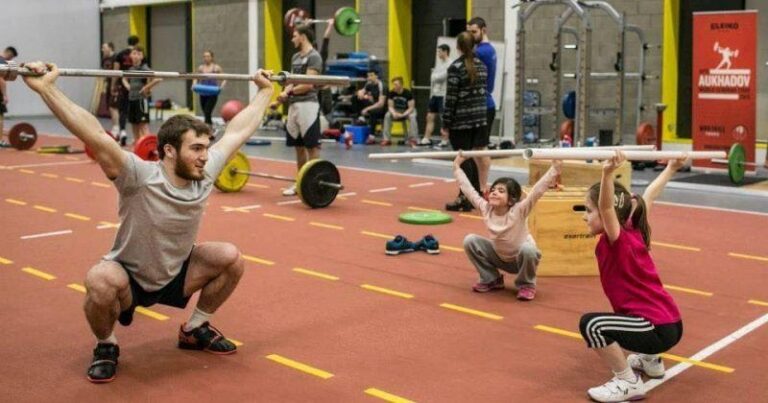
Beyond these numbers, performance in specific movements is a crucial sign of progress. If you once struggled to perform a proper bodyweight Bulgarian split squat and, a few weeks later, you move through the same pattern with control and balance for the same reps, that is meaningful improvement—even if the load has not changed yet. That change in motor control, stability, and confidence will carry over to sports, daily life, and heavier resistance down the line.

What To Record In Your Training Log

The best training logs capture both objective numbers and subjective experience. The numbers tell you what you did; your notes explain how you did it.

For each session, it helps to record:

  • Exercise name and variation (for example, front squat vs. back squat, neutral-grip press vs. barbell bench).
  • Sets, reps, and exact loads used for each working set.
  • Rest periods if you are managing conditioning or density.
  • How the sets felt: easy, challenging, near failure, or technique-limited.
  • Pain or discomfort levels, especially in commonly irritated areas like knees, shoulders, or low back.​

Documenting how reps moved—smooth and powerful versus slow and grinding—can reveal progress that simple numbers miss. A weight that once felt like a maximal effort may later feel like a crisp, clean set. Without logs, that improvement often goes unnoticed, and you miss out on the motivation that comes from seeing your hard work pay off.

You can track this information in:

  • A simple notebook or printed spreadsheet for a distraction-free, hands-on approach.​
  • A notes app, training app, or spreadsheet on your phone if you prefer searchable data and easy trend analysis.​

The method matters less than consistency. Choose a system you are actually willing to use every week.

Pain-Free Movement As A Progress Marker

Not all progress shows up as a bigger lift or faster mile. Sometimes the most important changes show up when you move without pain through ranges of motion that once felt restricted.

Being able to:

  • Sit into a deep squat without knee or hip pain.
  • Reach overhead without shoulder pinching.
  • Hinge at the hips to pick something up without your back flaring up.

These changes are powerful signs that your training is improving both strength and mobility where you need it most. Strength work performed through appropriate ranges of motion can help expand that range while building tissue tolerance, which is critical for longevity in both sport and daily life.​

Pain itself is complex and can fluctuate day to day. That is why tracking pain levels alongside exercises is helpful. Over time, you want to see trends like:

  • The same movement becomes more comfortable at the same load.
  • The ability to tolerate slightly deeper ranges of motion without symptoms.
  • Faster recovery after sessions that previously left you sore or irritated.​

At The Rack, teaching clients to move well and load movements intelligently is a core part of the coaching process. The focus is not on beating you down with random “hard” workouts, but on developing strength, mobility, and resilience in a way that actually supports your long-term performance and quality of life.​

Range Of Motion, Mobility, And Daily Life

Improving range of motion is not just about “being flexible.” Purposeful, progressive training helps you access positions that make life outside the gym easier.

Examples include:

  • Building the ability to squat deeply so getting in and out of a chair, car, or low position feels natural and controlled.
  • Strengthening your hips and core so walking stairs, hiking, or playing with your kids feels smoother and less taxing.
  • Developing upper-body mobility so overhead tasks—from placing something on a shelf to throwing a ball—are more comfortable and powerful.​

Range-of-motion progress can be tracked in very simple ways:

  • Noting how deep you can squat with good technique and no pain.
  • Using consistent positions (for example, the same lunge or overhead reach test) to see gradual improvement over weeks.
  • Recording when previously “tight” or restricted movements start to feel normal.

Some coaches and clinicians use more formal tools like goniometry or smartphone-based angle measurements to quantify joint angles, but even simple, repeated checkpoints—photos, videos, or range benchmarks—can help you see how far you have come.​

The Role Of Coaching And Structure

A good training environment and coaching staff can dramatically amplify the benefits of tracking your progress. At The Rack, the philosophy is that no two people share the same fitness journey, so the staff builds customized programs around each individual’s goals, injury history, and sport or lifestyle demands.​

That approach matters because:

  • Your data is only useful if someone knows how to interpret it and adjust your programming accordingly.
  • Intelligent progression—knowing when to push, when to deload, and when to focus on technique—keeps you moving forward without unnecessary setbacks.​
  • An experienced coach can look at your logs, video, and feedback and make changes that would be easy to miss on your own.

The Rack’s coaches bring experience from working with professional, collegiate, and high school athletes, Olympians, armed forces personnel, and general population clients of all ages. Whether you are a competitive athlete or someone training to feel better, that breadth of knowledge helps translate your tracked data into a clear, sustainable path of progression.​​

Building A Personal System For Progress

Ultimately, measuring progress in your training is about owning your process. You do not need a complex app or lab-level testing to get started. What you do need is a repeatable system.

A simple framework could look like this:

  • Before you start a new phase of training, define what progress will look like: more weight, more reps, less pain, better range of motion, or improved conditioning.
  • During each session, log your exercises, sets, reps, loads, and a brief note on how each key movement felt.
  • Every 3–4 weeks, review your log to identify trends—where you are stronger, moving better, or recovering faster—and adjust your goals based on that information.​

Progress will rarely be perfectly linear. There will be days when the weights feel heavier than they should or when you cannot hit the numbers you expected. That is normal. The value of tracking lies in seeing the bigger picture: over months, not just days, you can clearly see that you are lifting more, moving better, and living with less pain than when you started.

The goal is not perfection. The goal is continuous, intentional improvement that moves you toward a stronger, healthier version of yourself. With a thoughtful training plan, consistent logging, and coaches who care about both performance and quality of life, your progress becomes something you can measure, understand, and be proud of—inside and outside the gym.

Similar Posts