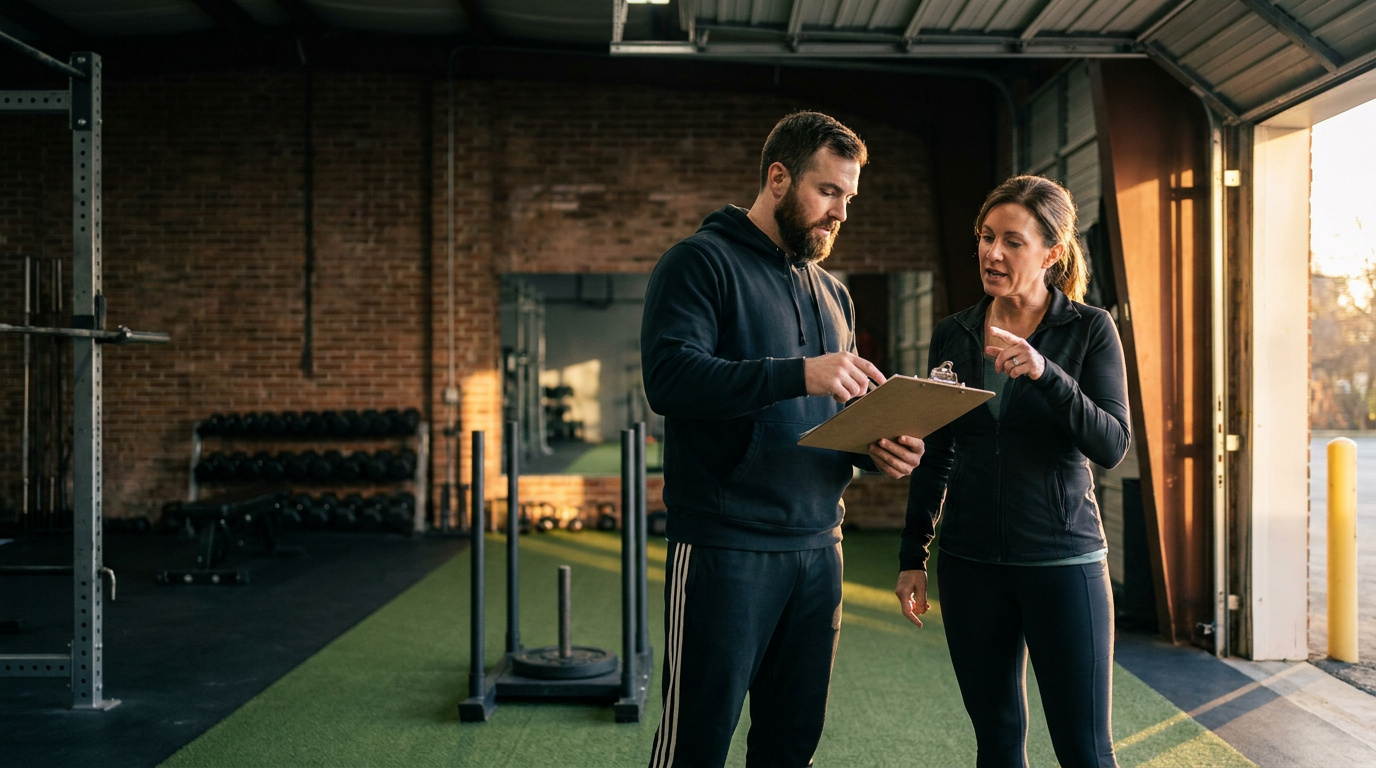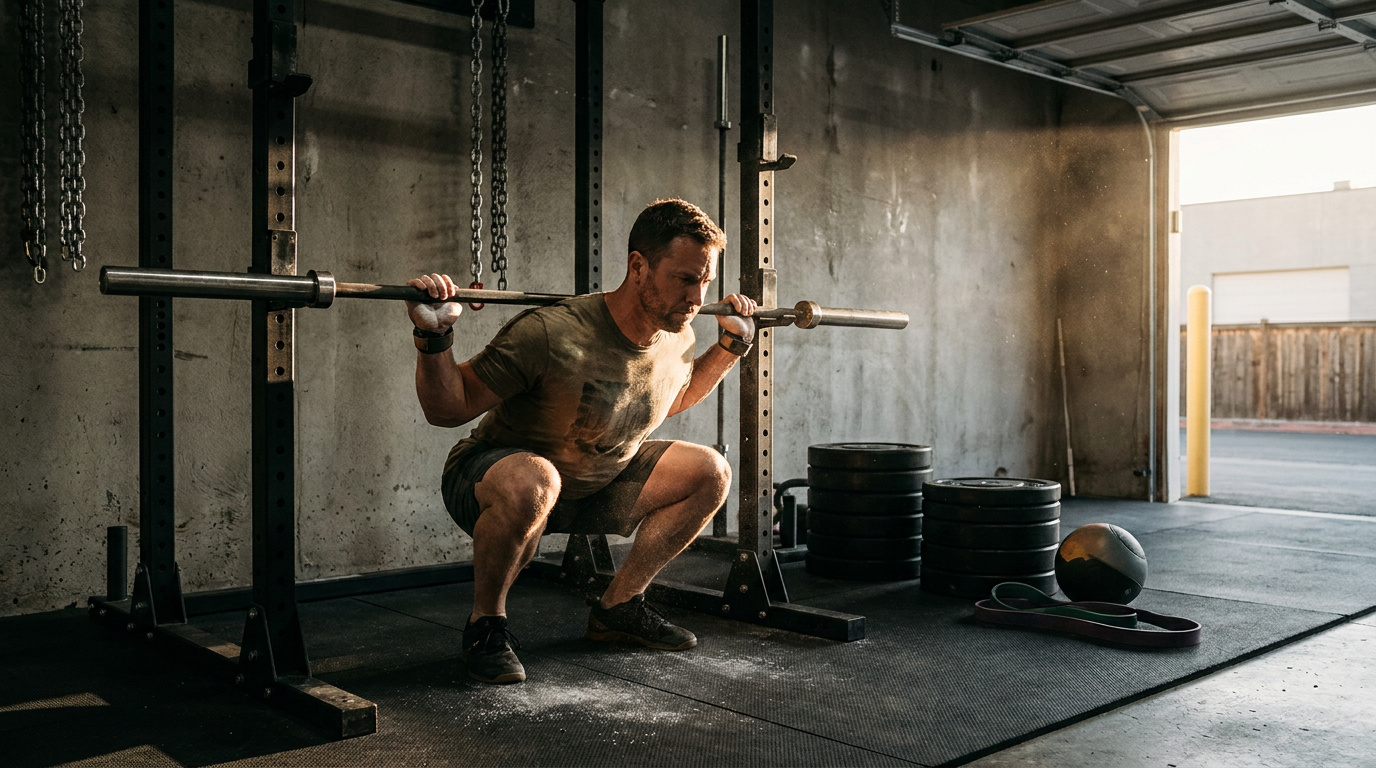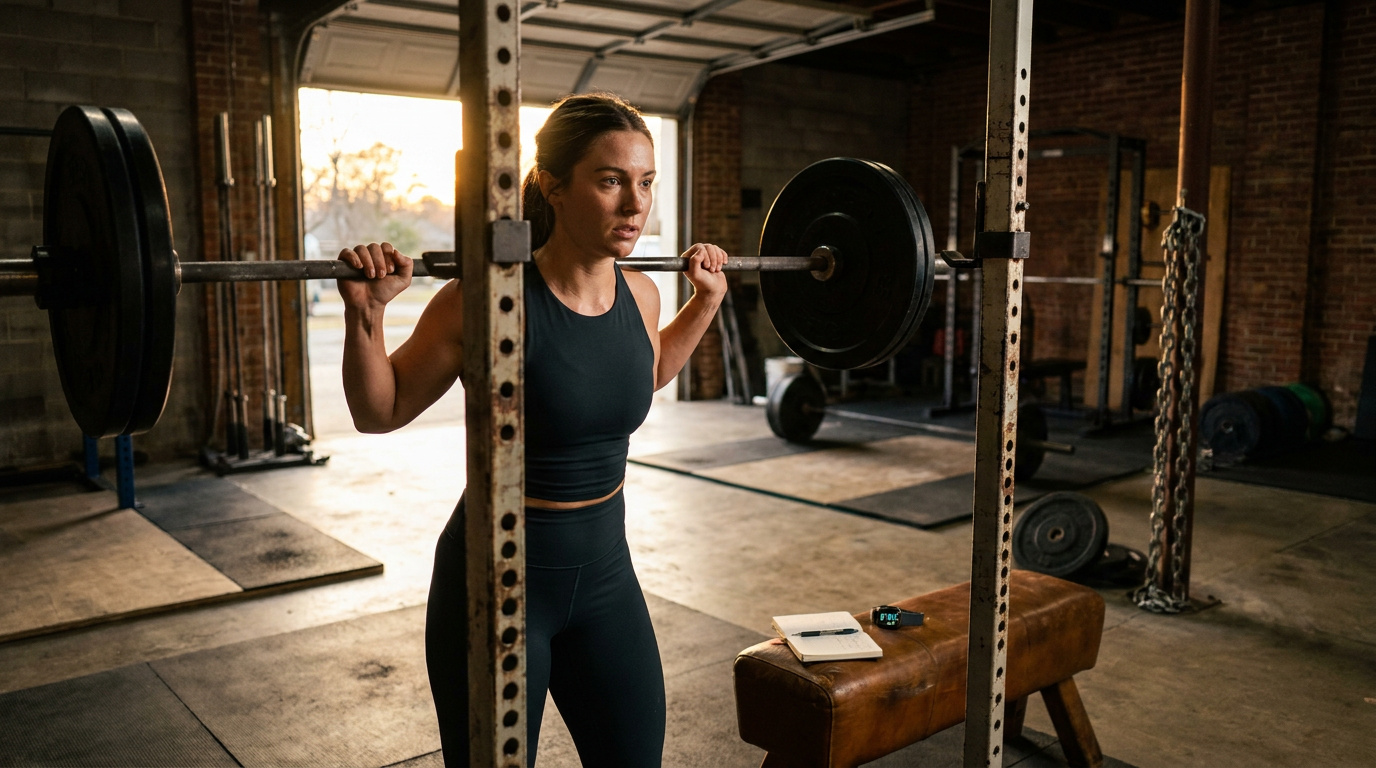

Caffeine is arguably the most widely used psychoactive substance in the world, and for athletes, it is one of the few legally permitted ergogenic aids with a mountain of evidence supporting its efficacy. Whether it is a pre-workout coffee, a caffeinated gel during a marathon, or a tablet before a heavy lifting session, caffeine has become a staple in the high-performance toolkit.
How Caffeine Works
To understand how caffeine improves performance, we have to look at its impact on the Central Nervous System (CNS) and metabolic processes.
1. Adenosine Receptor Antagonism
The primary mechanism of caffeine is its ability to block adenosine receptors in the brain. Adenosine is a chemical that promotes relaxation and sleepiness. By blocking these receptors, caffeine prevents the “fatigue” signals from reaching the brain, keeping the athlete feeling alert and focused for longer durations.
2. Reduced Perceived Exertion (RPE)
One of the most significant benefits for athletes is the reduction in Rate of Perceived Exertion. Because the CNS is “fooled” into feeling less tired, athletes often find they can maintain a higher intensity of exercise while feeling like they are working less hard than they would without the stimulant.
3. Increased Fat Oxidation
Caffeine can stimulate the mobilization of free fatty acids from adipose tissue. This allows the body to “spare” glycogen (stored carbohydrates) during endurance events, potentially delaying the point of exhaustion or “bonking.”
Impact on Different Types of Performance
The benefits of caffeine aren’t limited to just one type of athlete. Research shows positive outcomes across various disciplines:
- Endurance Athletes: Significant improvements in time-to-exhaustion and time-trial performance in cycling, running, and swimming.
- High-Intensity Sports: Enhanced performance in intermittent, high-intensity activities like soccer, rugby, and basketball, where repeated sprints are required.
- Strength and Power: Improved maximal strength (1RM) and muscular endurance in resistance training, though the effects are often more pronounced in upper-bodymovements.
Optimal Dosing and Timing
To reap the benefits of caffeine without the downsides of jitters or GI distress, athletes should follow research-backed protocols:
| Metric | Recommendation |
| Dosage | 3–6 mg per kg of body weight. |
| Timing | 30–60 minutes prior to exercise for peak blood concentration. |
| Source | Coffee, caffeine anhydrous (pills), gels, or gums. |
Considerations and Side Effects
While caffeine is highly effective, it is not without its caveats. Individual sensitivity varies greatly based on genetics (specifically the CYP1A2 gene). Some athletes are “fast metabolizers” who see immediate benefits, while “slow metabolizers” may experience increased anxiety or disrupted sleep.
Excessive intake can lead to:
- Increased heart rate and palpitations.
- Gastrointestinal upset.
- Disruption of sleep quality, which is the most critical factor for athletic recovery.
Final Thoughts
Caffeine remains a “gold standard” supplement for a reason: it works. By lowering the perception of effort and sharpening mental focus, it allows athletes to push deeper into their physical reserves. However, like any training tool, it should be tested in practice before being used in competition. Finding your specific “sweet spot” for dosage and timing can be the difference between a new personal best and a nervous, jittery performance.
Coach Alex