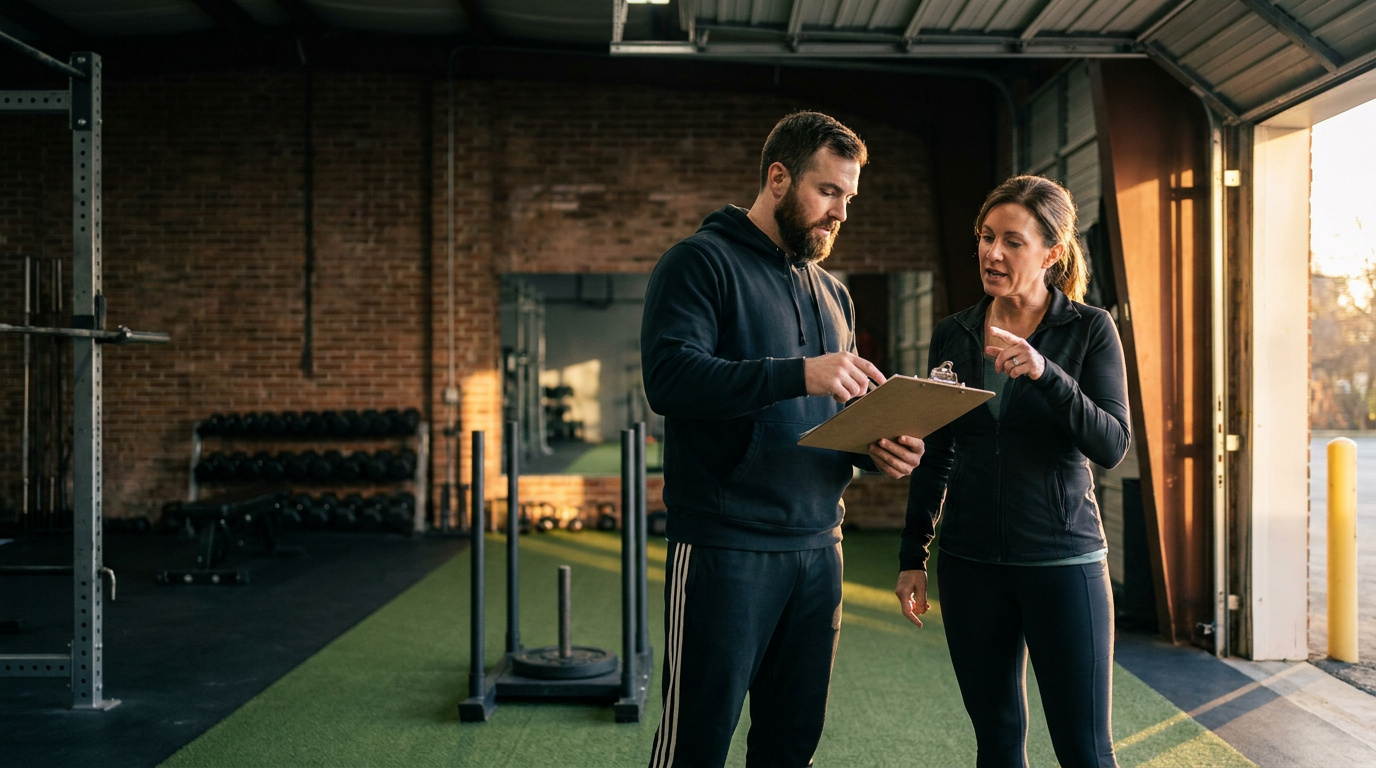

Late August has a way of exposing everything that summer training left unfinished. The transition from flexible schedules to organized practices, conditioning tests, and the demands of full team competition is where many athletes get injured—not because they lack strength, but because the increase in workload happens too quickly. Working with an Expert Personal Trainer Vinings can help athletes build strength, improve mobility, and safely prepare for the physical demands of the season. The goal is not just getting back on the field or court; it is returning healthy, prepared, resilient, and ready to perform at a high level throughout the season.
Why August Is a High-Risk Month
August is one of the most dangerous times of year for athletes because the body goes from a loose, inconsistent summer rhythm to a much more structured and demanding schedule. Summer often includes camps, travel, skill sessions, and random workouts, but team practices and school seasons bring a different kind of stress: repeated conditioning, higher weekly volume, and less recovery time between hard efforts.
That sudden shift is where problems start. Athletes may feel fine for the first few practices, then the soreness lingers, performance drops, and small aches become real issues. If the body has not been prepared for that load, the risk of overuse injury rises quickly.
Common Problems Athletes Run Into
The most common August issues are usually not dramatic injuries, but warning signs that workload is rising faster than the body can adapt. Shin splints often show up when running volume spikes too quickly, especially in athletes who spend most of summer doing skill work rather than progressive conditioning. Knee pain can appear when jumping, cutting, or running mechanics are repeated too often without enough strength support.
Low back tightness is another frequent complaint, especially in athletes who sit a lot, lift without proper movement prep, or jump into heavy training after a break. Shoulder problems can develop in overhead sports or throwing athletes when volume ramps up before the tissues are ready. These issues are often connected to one thing: too much too soon.
Why Summer Workouts Are Not Enough
A lot of athletes stay active in the summer, but staying active is not the same as being prepared for a full season. Summer workouts often build general fitness or help maintain basic strength, but they may not fully prepare the body for the sharp increase in practice intensity that comes in late August. That is where many athletes get caught off guard.
Performance training bridges this gap by focusing on assessment, targeted strength, and tissue prep. Instead of assuming the athlete is ready because they worked hard in July, a good performance plan checks what is actually happening in the body. That means identifying weak links, movement limitations, and areas that need more support before full team demand begins.
Smart Ramp-Up Strategies
The safest way to return to sport is by building up in stages. Athletes should not go from summer off-season mode straight into full-speed practices every day. A progressive ramp-up gives the body time to adapt to running, sprinting, jumping, cutting, and throwing before the demands become nonstop.
Pre-season strength checks are a valuable part of that process. They help identify whether an athlete has the strength base to handle higher workloads or whether certain areas need extra attention first. Movement prep is just as important, especially for key sport patterns like sprinting, cutting, jumping, and throwing. When those patterns are introduced gradually and with quality, athletes are far less likely to break down early in the season.
What Performance Training Does Differently
A performance gym is not just a place to lift weights. It is where the athlete gets evaluated, monitored, and guided through the transition from summer training to full sport demands. That transition matters because organized practices and conditioning tests do not care whether the athlete “feels ready.” The body has to be ready.
Performance training fills in the missing pieces that team practices usually do not have time to address. It can include targeted strength work for the legs, hips, trunk, and shoulders, along with tissue prep to make sure joints and muscles can handle the upcoming workload. It also helps athletes maintain strength while their sport demands increase, which is often the key to staying healthy through the fall.
A Simple August Plan
A smart August plan does not need to be complicated. It needs to be consistent, progressive, and realistic for the athlete’s schedule. For most athletes, 3 to 4 weeks of intentional ramp-up work can make a major difference before the season gets fully rolling.
Here is a simple outline:
Week 1: Re-entry and assessment
- 2 strength sessions.
- Light to moderate conditioning.
- Movement prep for sprinting, cutting, jumping, and throwing.
- Focus on checking how the body responds, not proving toughness.
Week 2: Build tolerance
- 2 to 3 strength sessions.
- Slightly more conditioning volume.
- Continue movement prep with better intensity.
- Keep an eye on soreness, sleep, and energy.
Week 3: Sharpen and stabilize
- 2 strength sessions with higher quality.
- More sport-specific movement work.
- Reduce junk volume and keep recovery high.
- Make sure the athlete can handle repeated practice without breaking down.
Week 4: Prepare for full demand
- Maintain strength rather than chase fatigue.
- Keep sessions shorter and more efficient.
- Prioritize recovery, mobility, hydration, and sleep.
- Enter the season with confidence instead of exhaustion.
Non-Negotiable Recovery Habits
Training only works when recovery keeps up with it. In August, recovery is not optional because the body is dealing with a major rise in workload. Sleep is one of the biggest factors, and athletes should be aiming for consistent, high-quality rest every night.
Hydration matters just as much, especially in late-summer heat and humidity. Nutrition should also stay steady, with enough protein, carbohydrates, and total calories to support training and recovery. Finally, athletes need to pay attention to soreness and pain instead of ignoring it, because small problems are much easier to fix before the season starts than once it is already underway.
How Athletes and Parents Can Think About the Transition
The best way to think about August is not as a test of toughness, but as a preparation window. The athlete who returns to sport strongest is usually not the one who did the most random work in the summer. It is the one who built strength, respected recovery, and made the transition back into sport gradually.
Parents should look for signs that the athlete is being managed well: the workload rises in steps, strength work stays in place, and pain is addressed early. Athletes should expect to feel challenged, but not crushed. The goal is to enter the season ready to perform, not already worn down.
A Safer Path Into the Fall
Back-to-sport season should inspire confidence, not fear of injury or pain. With the right progression, athletes can return to practices, tryouts, and the school sports season stronger, more mobile, and better prepared to handle the increased workload. At The Rack APC, athletes receive expert coaching and performance-focused training designed to improve movement, build strength, and reduce the risk of the common injuries that often occur when activity levels increase too quickly. The result is a safer, more confident return to competition and a stronger foundation for long-term athletic success.
A pre-season assessment or short pre-season prep program can make that transition much smoother. It gives athletes a chance to identify weak points, clean up movement, and build a safer runway into the fall schedule. Would you like this turned into a more polished long-form version with a stronger sales-driven ending and a more local Atlanta tone?