
For years, sports science treated athletes as if they all responded to training the exact same way. However, female physiology operates on a dynamic monthly hormonal rhythm that significantly influences energy, recovery, and even structural joint stability. Understanding these shifts allows for optimized performance and a reduced risk of injury.
The Anatomy of Joint Loading: Why Injury Risk Shifts
The connection between the menstrual cycle and injury risk comes down to how shifting hormones alter the structural integrity of connective tissues.
During the late follicular phase (just before ovulation), estrogen levels spike to their highest point. Estrogen directly interacts with collagen receptors in ligaments and tendons. High estrogen levels can temporarily decrease collagen synthesis and increase ligamentous laxity, making joints looser and more flexible.
This increase in laxity alters joint mechanics in several key ways:
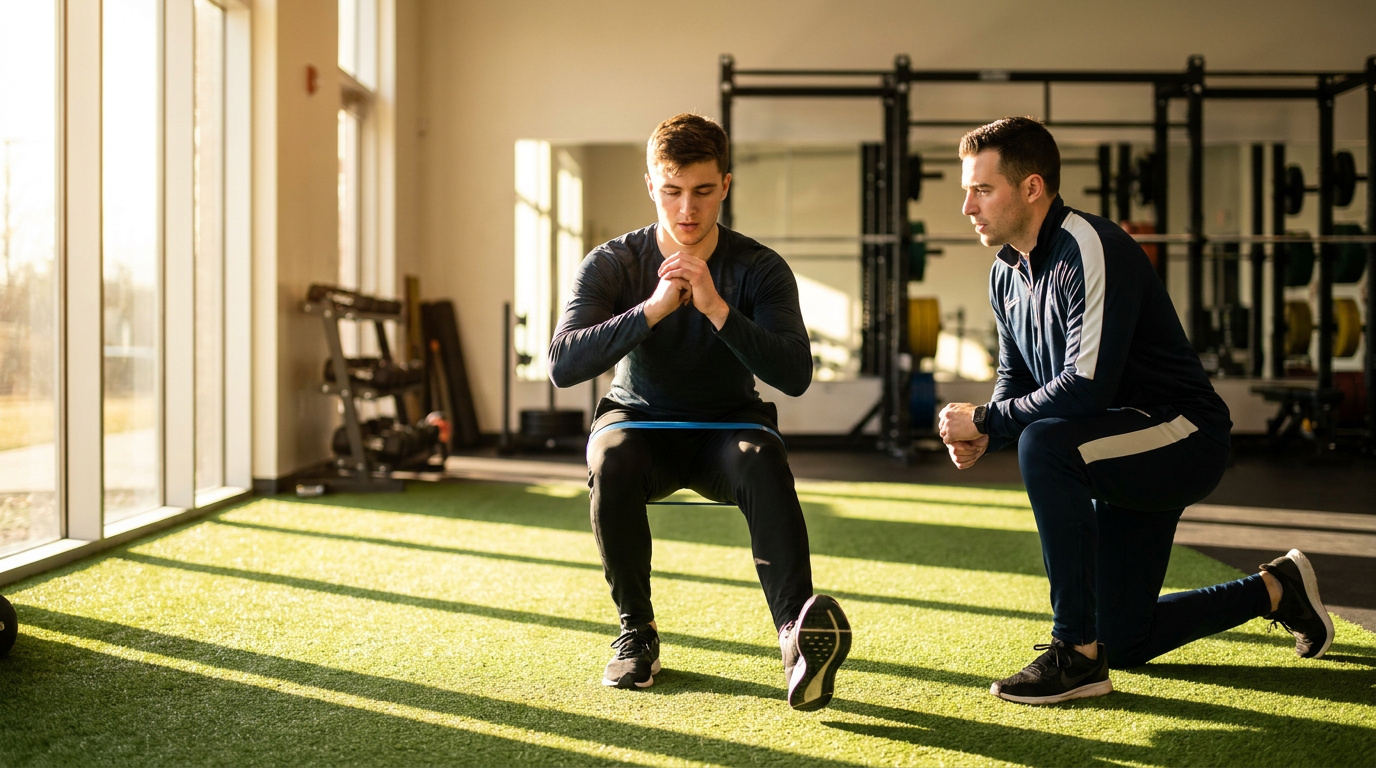
- Altered Biomechanics: Looser ligaments mean the knee and ankle joints have more micro-mobility. During dynamic movements like squats, lunges, or plyometrics, this can result in greater knee valgus (the knees collapsing inward).
- Increased Joint Loading: Because the ligaments are more compliant, they absorb less force. This transfers an increased mechanical load directly onto the joint capsule and surrounding cartilage.
- Reduced Neuromuscular Control: Hormonal shifts can slightly delay muscle activation times. When the nervous system is slower to stabilize a joint, the risk of acute injuries, such as anterior cruciate ligament (ACL) tears, increases significantly.
Periodizing Training Intensity by Cycle Phase
To maximize strength gains and manage structural vulnerabilities, training intensity can be periodized across the four main phases of the cycle.
1. The Menstrual Phase (Days 1–5)
- Hormonal Profile: Estrogen and progesterone are at their lowest baseline levels.
- Gym Impact: Systemic inflammation may be higher, and cramps can cause discomfort. However, low hormone levels actually make the body efficient at utilizing carbohydrates for fuel.
- Intensity Strategy: Listen to your body. If energy is low, focus on active recovery, mobility work, or technique-focused lifting. If you feel good, you can still lift heavy, but avoid pushing through severe physical discomfort.
2. The Follicular Phase (Days 6–14)
- Hormonal Profile: Estrogen steadily rises, peaking right before ovulation, while progesterone remains low.
- Gym Impact: High estrogen acts as an anabolic hormone, boosting energy, mood, insulin sensitivity, and neuromuscular recovery. This is the optimal window to build muscle and strength.
- Intensity Strategy: High intensity and progressive overload. Focus on heavy compound lifts (squats, deadlifts) and high-volume training. Because this phase ends with the pre-ovulatory estrogen spike, ensure strict form on deep joint movements to safeguard lax ligaments.
3. The Ovulatory Phase (Days 14–15)
- Hormonal Profile: Estrogen reaches its peak alongside a surge in luteinizing hormone (LH), followed by a rapid drop.
- Gym Impact: You may feel exceptionally strong, but this is the window of peak ligamentous laxity.
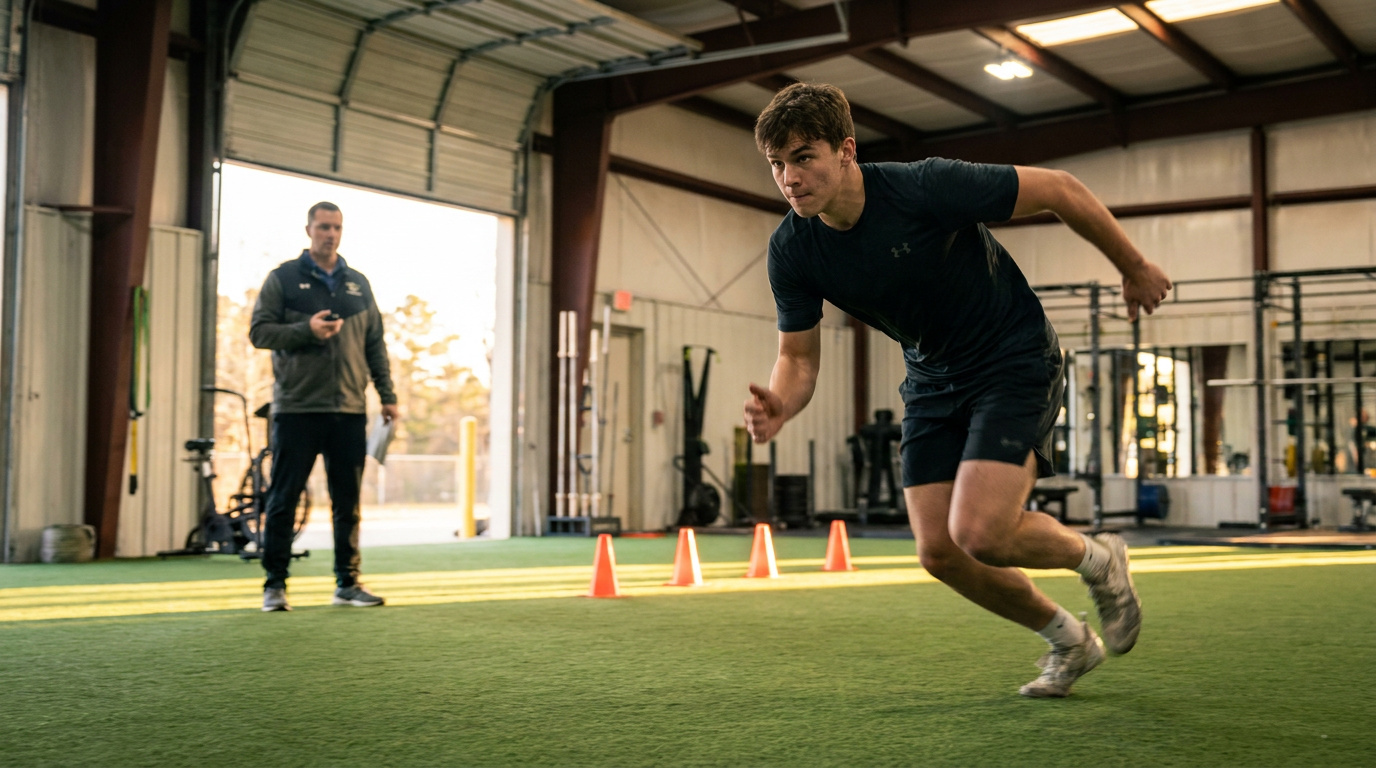
- Intensity Strategy: Maximal strength with high stability. This is an excellent time to test a one-rep max or hit personal records, but prioritize absolute control. Avoid high-impact, chaotic movements (like unassisted plyometrics or rapid change-of-direction drills) where joint instability could trigger a tweak or sprain.
4. The Luteal Phase (Days 16–28)
- Hormonal Profile: Progesterone rises and dominates, while estrogen experiences a smaller secondary rise.
- Gym Impact: Progesterone is catabolic and elevates core body temperature and heart rate, which can make training feel harder. Cardiovascular efficiency decreases, and the body relies more on fat oxidation than glycogen.
- Intensity Strategy: Moderate intensity and hypertrophy/deload. Shift focus toward moderate weights, higher reps, and controlled machines that provide external stability. During the final week of this phase (the premenstrual window), transition to a deload week with lower weights and restorative mobility to allow tissues to recover fully before the cycle resets.