
Every athlete wants to be faster, stronger, and more explosive when the season begins. Whether you’re competing in baseball, softball, soccer, lacrosse, tennis, or track and field, your performance on the field is built long before the first game.
Many athletes think sport-specific drills are the key to success, but the foundation for speed, power, and durability is developed in the weight room. The right exercises don’t just build muscle—they improve movement quality, increase force production, and prepare the body for the demands of competition.
At The Rack Performance Center, we focus on movements that have the greatest transfer to athletic performance. Here are five exercises every athlete should master.
1. The Squat
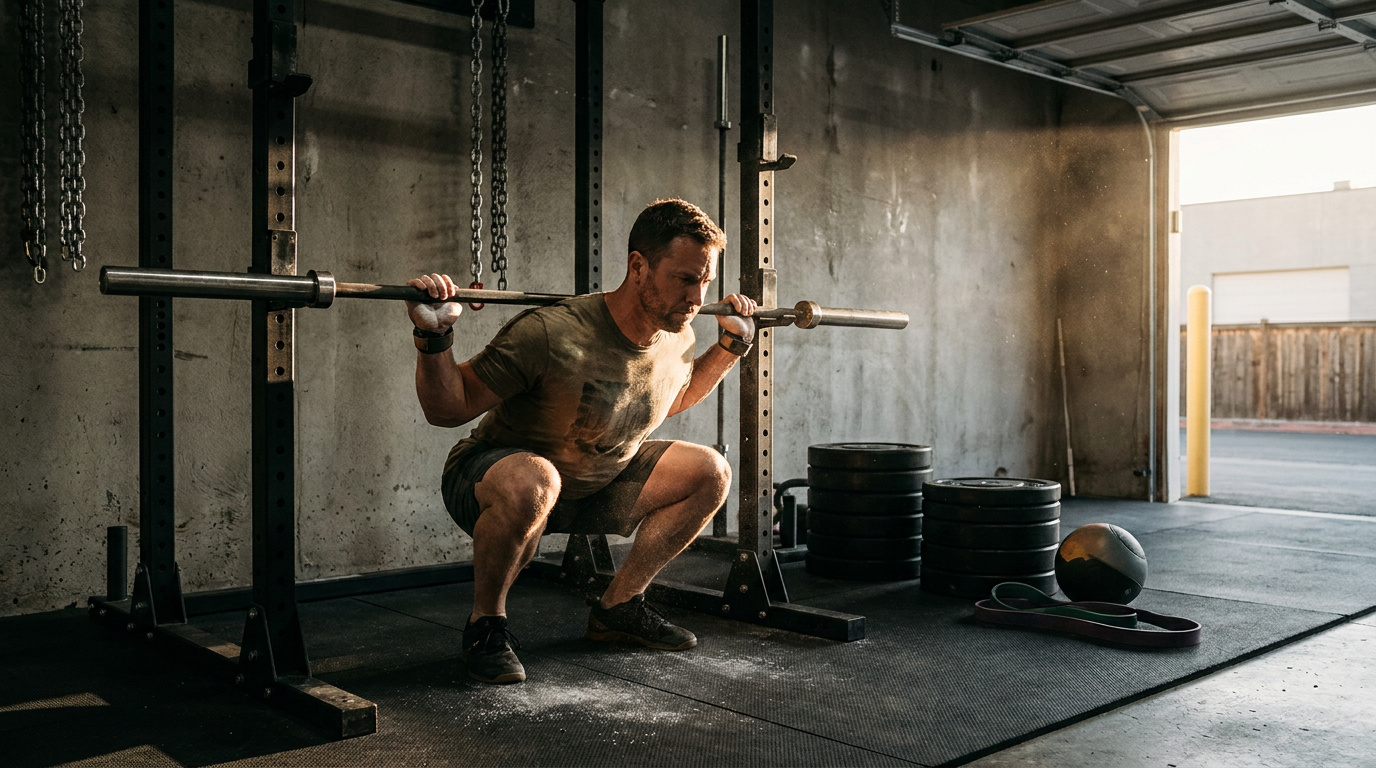
The squat is one of the most effective exercises for developing lower-body strength and power. It strengthens the quadriceps, hamstrings, glutes, and core while teaching athletes how to produce force through the ground.
Strong squat mechanics also improve jumping, sprint acceleration, and overall balance. More importantly, learning to squat correctly reinforces proper movement patterns that athletes use every time they run, jump, or change direction.
The goal isn’t simply to lift more weight. It’s to develop strength while maintaining excellent technique from the first repetition to the last.
2. Romanian Deadlifts
Sprint speed depends heavily on the posterior chain—the glutes, hamstrings, and lower back.
Romanian deadlifts strengthen these muscles while teaching athletes how to properly hinge at the hips. This movement directly improves acceleration, top-end speed, and jumping ability while helping reduce the risk of hamstring injuries.
For many athletes, developing a stronger posterior chain is one of the fastest ways to improve overall athletic performance.
3. Bulgarian Split Squats
Sports are played one leg at a time.
Whether sprinting, cutting, jumping, or landing, athletes spend most of their time producing force through a single leg. Bulgarian split squats improve single-leg strength, stability, balance, and coordination while correcting strength differences between each side of the body.
Developing strength one leg at a time improves change of direction, acceleration, and overall movement efficiency.
4. Pull-Ups and Rows
Upper-body strength is often overlooked when discussing speed and agility, but it plays an important role in athletic performance.
A strong upper back improves posture while sprinting, helps transfer force throughout the body, and creates better shoulder stability for throwing, swinging, and contact sports.
Pull-ups and chest-supported rows develop the lats, rhomboids, and other upper back muscles that help athletes maintain strong body positions during competition.
5. Loaded Carries
Loaded carries may look simple, but they develop some of the most valuable qualities an athlete can have.
Carrying heavy weight while maintaining posture challenges grip strength, core stability, shoulder control, and total-body coordination. It teaches athletes to stay stable while moving—an essential skill for every sport.
Whether carrying dumbbells, kettlebells, or a trap bar, loaded carries improve body control that transfers directly to sprinting, cutting, and absorbing contact.
Why These Exercises Matter
None of these exercises are chosen simply because they build strength. They are selected because they improve the qualities athletes rely on every time they compete.
They increase force production for faster acceleration.
They improve stability for better change of direction.
They reinforce movement mechanics that reduce injury risk.
They build the durability needed to perform throughout an entire season.
When combined with proper speed, agility, and mobility training, these foundational lifts help athletes move more efficiently and perform at a higher level.
What It Comes Down To
Success during the season doesn’t begin on the first day of competition. It begins with the work athletes put in long before they step onto the field.
Mastering foundational strength exercises builds more than muscle. It creates stronger movement patterns, greater power, and improved confidence in every athletic movement.
At The Rack Performance Center, we believe every exercise should have a purpose. By mastering these five movements, athletes develop the strength that transfers directly from the weight room to the field, allowing them to compete faster, stronger, and more confidently all season long.
Matthew Walcott
B.S., CPPS, BPS, FRCms, CPT