
Wrestling is one of the most physically demanding sports in athletics. Success requires a combination of maximal strength, explosive power, muscular endurance, anaerobic conditioning, and the ability to repeatedly produce high-intensity efforts under fatigue.
While technical skill and mat time remain essential, a structured strength and conditioning program can give wrestlers the physical tools they need to compete at a high level.
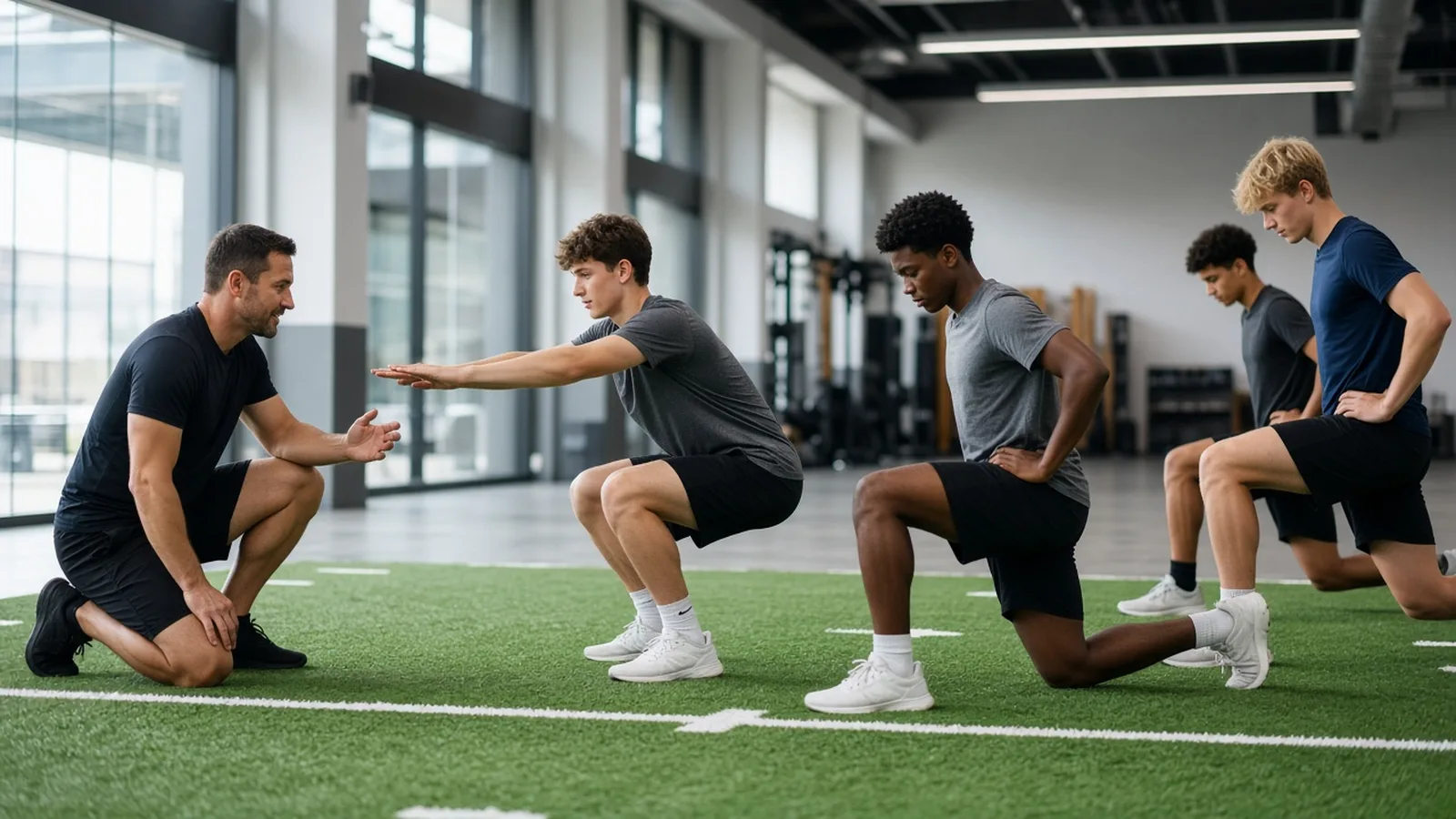
At The Rack Athletic Performance Center, pre-season preparation goes beyond lifting weights and completing conditioning circuits. By combining individualized coaching with performance testing and advanced training technology, we can identify areas for improvement, build targeted training programs, and objectively measure progress throughout the training process.
1. Assess Before You Train
Effective programming begins with understanding the athlete. Before determining what a wrestler needs to improve, coaches should establish a baseline for strength, power, movement capacity, and physical asymmetries.
The Rack’s VALD assessment technology helps quantify performance characteristics that may otherwise be difficult to evaluate objectively. ForceDecks can assess force production and jumping performance, while systems such as ForceFrame, NordBord, and DynaMo can provide additional information about strength, muscular capacity, and side-to-side differences.
PlyoMat testing can complement these assessments by measuring jump performance and establishing a baseline for explosive lower-body output.
These results help coaches identify potential training priorities and track changes over time. Testing does not replace coaching judgment, but it provides valuable information to guide programming rather than relying exclusively on assumptions.
2. Build Maximal Strength and Monitor Bar Speed
Strength is fundamental to wrestling. It helps athletes maintain position, control opponents, resist external forces, and generate force during takedowns and escapes.
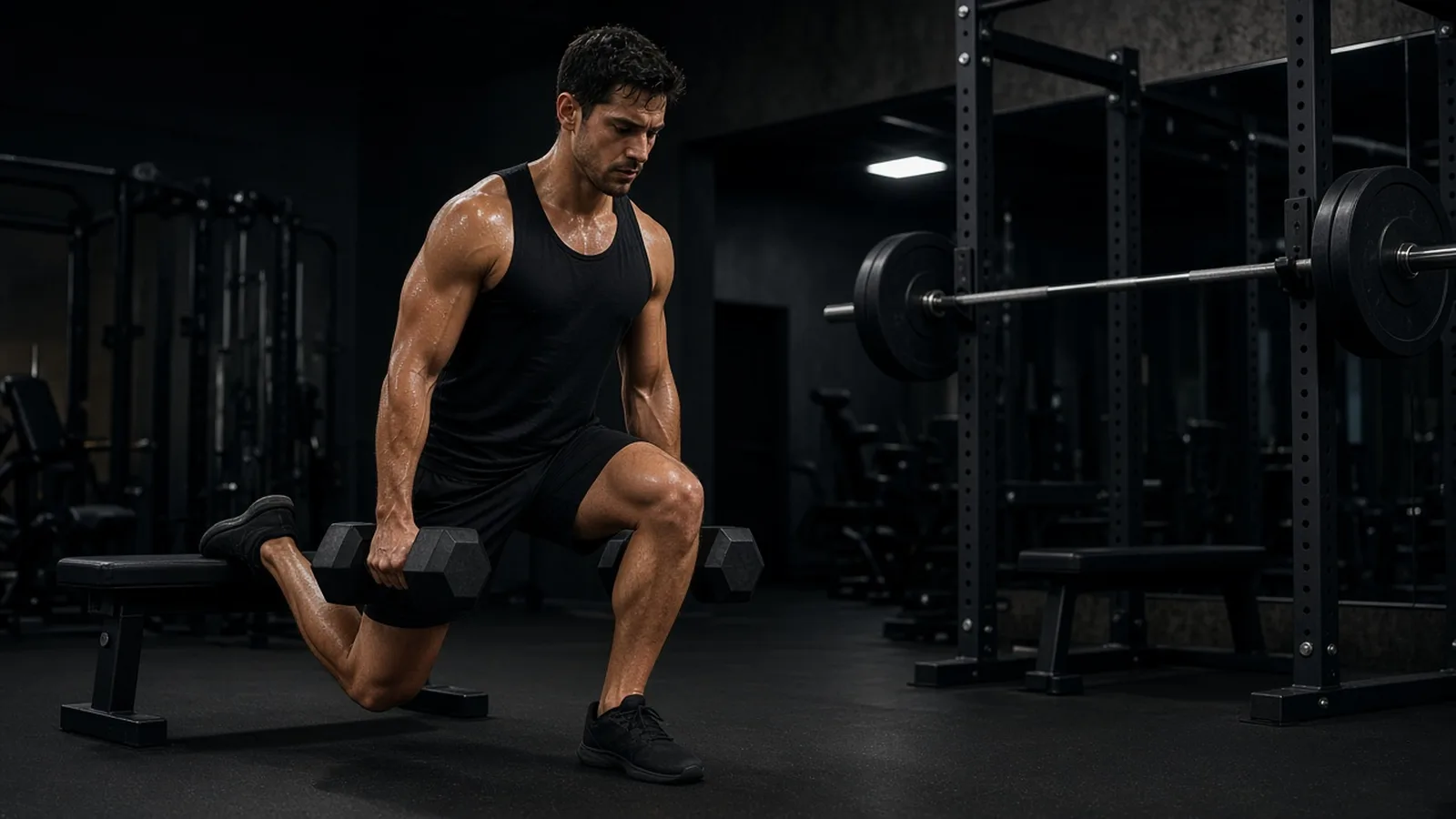
Compound movements such as squats, deadlifts, split squats, presses, rows, and pull-ups form the foundation of a well-designed strength program.
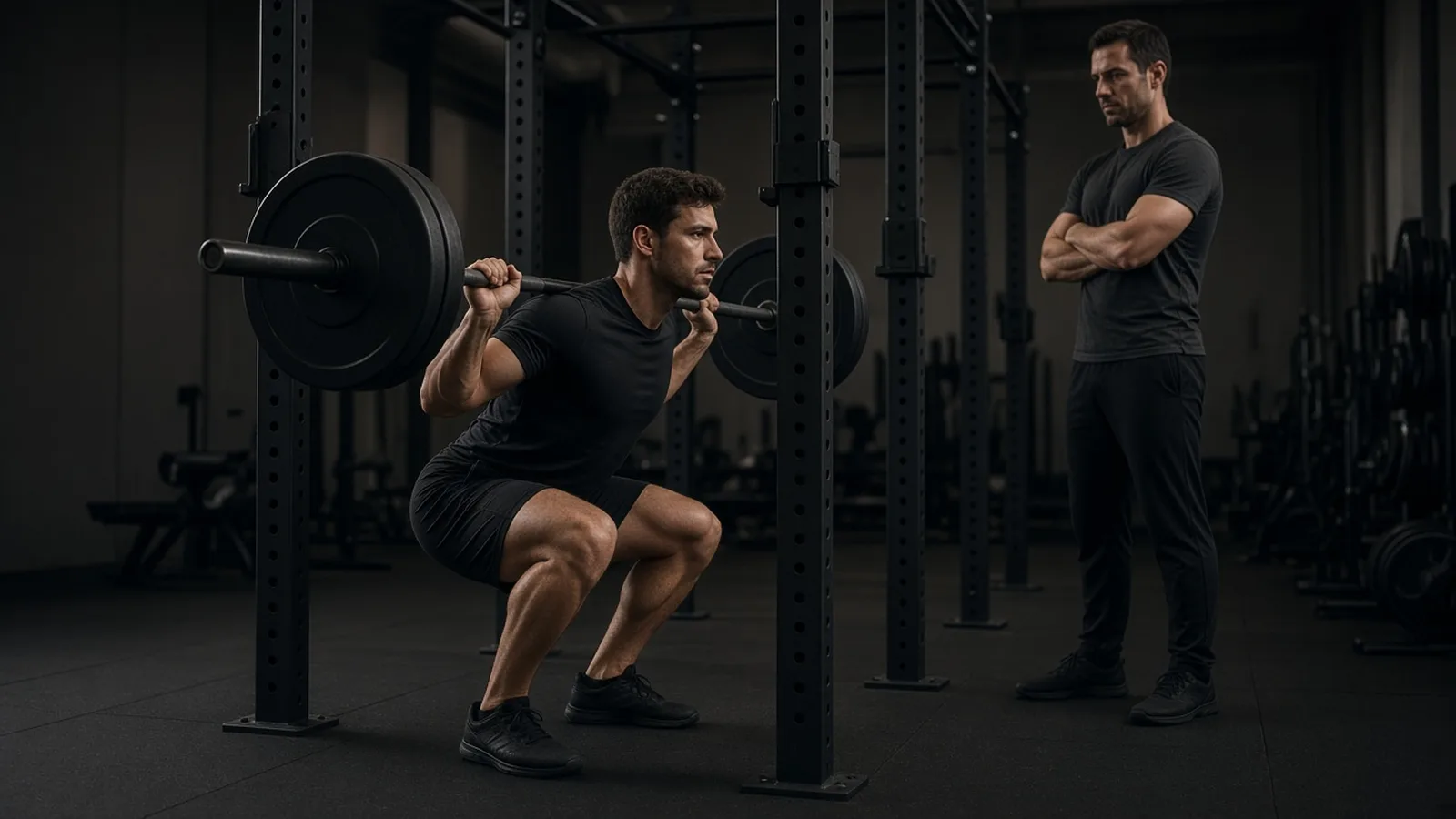
At The Rack, Vitruve velocity-based training technology can add another layer of precision to resistance training by measuring barbell velocity. Coaches can use this information to monitor how quickly an athlete moves a given load, help regulate training intensity, and identify meaningful changes in performance.
For example, two wrestlers may complete the same squat prescription but display different bar speeds. That information can help coaches make more informed decisions about loading, exercise intent, and fatigue management.
The goal is not simply to lift heavier. It is to develop the strength required for wrestling while maintaining the quality of each training session.
3. Develop Explosive Power Across Multiple Planes
Wrestling is not a purely linear sport. Athletes must accelerate, rotate, change direction, bridge, scramble, and generate force from unconventional positions.
Proteus provides a way to assess and train force and power through multiple movement patterns and planes of motion. This can complement traditional barbell training by challenging athletes to produce force dynamically in ways that more closely reflect the varied demands of sport.
Jump training, medicine ball throws, and other appropriately prescribed explosive exercises can further develop the rate of force development.
The 1080 training systems can also provide precisely controlled resistance during sprinting or other suitable movements. Depending on the exercise and athlete, coaches can use this technology to develop acceleration, power, and the ability to produce force against external resistance.
Every exercise should have a clear purpose. Explosive training is most effective when athletes can maintain high movement quality and sufficient intent rather than performing power exercises under excessive fatigue.
4. Condition for the Demands of Competition
Wrestlers need the ability to produce repeated high-intensity efforts while recovering sufficiently to continue competing. This requires both anaerobic conditioning and a strong aerobic foundation.
Short, high-intensity intervals can help develop repeated-effort capacity, while lower-intensity aerobic work supports recovery and overall work capacity. Wrestling-specific drills and live practice remain essential for preparing athletes for the unpredictable demands of competition.
Technology can help coaches monitor the intensity and output of selected training activities, but conditioning should always be programmed around the athlete’s total workload. Excessive high-intensity work can compromise recovery and interfere with strength and power development.
The objective is to arrive at the season prepared to compete—not exhausted before the first whistle.
5. Track Progress and Adjust the Program
Pre-season training should evolve as competition approaches. Early phases may emphasize foundational strength, general conditioning, and addressing individual weaknesses. Later phases can prioritize power, wrestling-specific conditioning, and maintaining strength as mat practices become more demanding.
VALD assessments, PlyoMat jump testing, Vitruve bar-speed measurements, Proteus performance data, and 1080 training metrics can contribute to this process by helping coaches evaluate specific performance qualities and determine whether adjustments are warranted.
No single metric tells the whole story. Results must be interpreted alongside technical proficiency, training history, recovery, and the athlete’s response to the program.
Train With Purpose. Compete With Confidence.
The best pre-season programs combine sound training principles, individualized programming, consistent coaching, and objective performance feedback.
At The Rack Athletic Performance Center, technology provides another tool for understanding athletes and guiding their development. The real value comes from translating that information into purposeful training that builds strength, develops power, improves conditioning, and prepares wrestlers for the demands of competition.
Assess the athlete. Train the limiting factors. Measure progress. Adjust with purpose.
In Strength,
Brandon Bailey, MS, CSCS, CPPS, USAW2, CFL2, BPS, USR