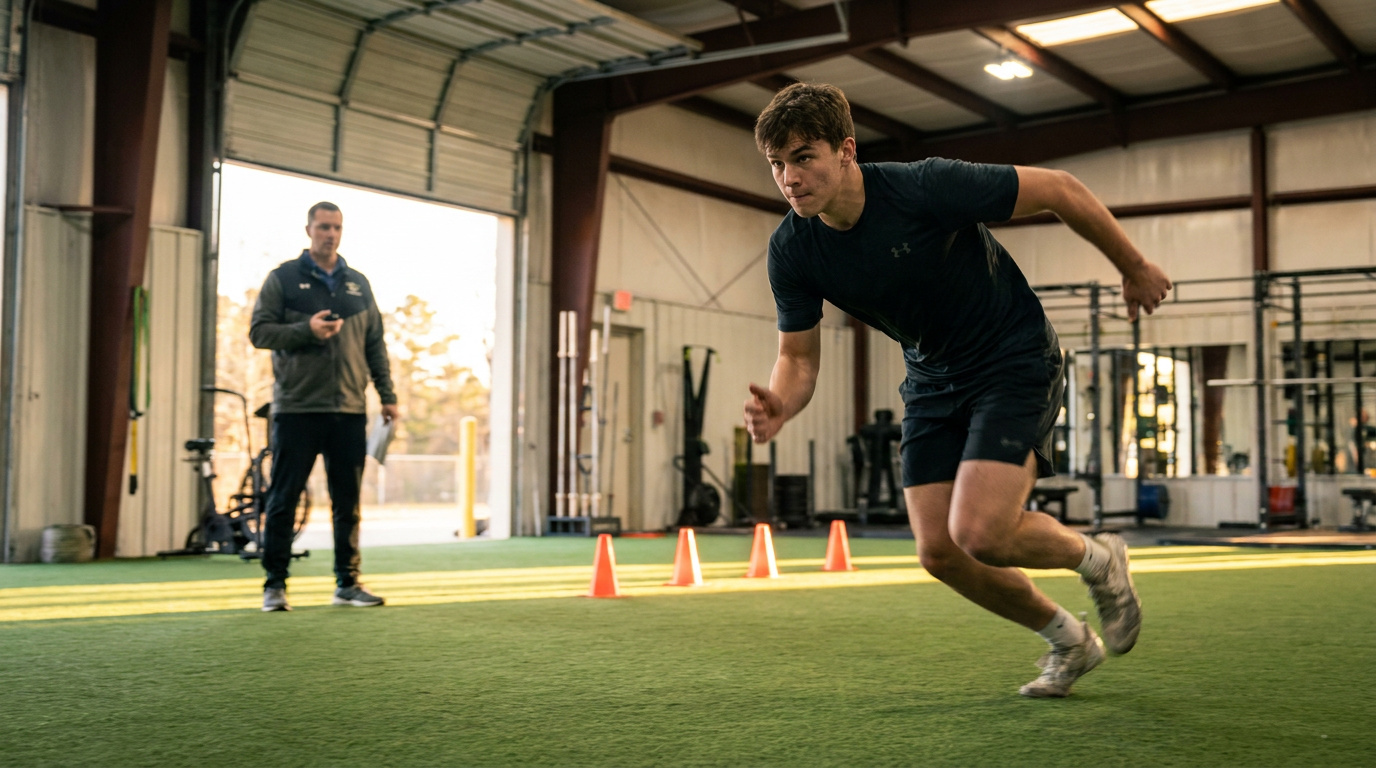

A good exercise program is not simply a collection of exercises. There is a reason behind every movement, set, rep, rest period, and training day. As a NASM Personal Trainer and CPPS Certified Coach, I believe an effective program should be individualized to the person, not copied from someone else.
Here are the seven factors that should dictate your exercise regimen.
1. Goals: Start With the Needs Assessment
Before choosing an exercise, we need to understand what the individual actually wants to accomplish. Is the goal to build muscle, lose body fat, improve strength, increase athletic performance, move better, or simply improve overall health?
The goal provides the direction for the entire program. Without a clear goal, it becomes difficult to determine whether the training is actually appropriate.
2. Assessment: How Do You Move?
Once we understand the goal, we need to determine where the individual is starting from. Assessments can help identify movement limitations, asymmetries, stability issues, mobility restrictions, and areas that may require additional attention.
Your program should be built around what your body demonstrates, not simply what an exercise looks like on paper.
3. Exercise Selection: Choose What Supports the Goal
Exercise selection should have a purpose. The exercises chosen should match the individual’s goals, ability, movement quality, equipment availability, and training environment.
There is no single “best” exercise for everyone. The best exercise is one that can be performed safely and effectively while contributing to the desired adaptation.
4. Rest: Recovery Is Part of Training
Training creates the stimulus, but recovery allows the body to adapt. Rest periods between sets should reflect the demands of the exercise and the goal of the session.
Someone training for maximal strength may require longer rest periods, while other forms of training may use shorter recovery periods. Rest is not wasted time. It is part of the program.
5. Intensity: Reps, Sets & Tempo Matter
Intensity is more than simply “lifting heavy.” Sets, repetitions, tempo, load, range of motion, and proximity to fatigue all influence the training stimulus.
The right intensity depends on the individual’s goal and experience. A program designed for muscular endurance will look very different from one designed to develop maximal strength or hypertrophy.
6. Frequency: What Can You Consistently Do?
How often someone trains should be based on their goals, recovery capacity, schedule, and availability.
Theoretically, a person might benefit from training five or six days per week, but if their lifestyle only allows three quality sessions, the program needs to account for that. The best program is one that can be performed consistently.
7. Training Age: Your History Matters
Training age refers to an individual’s experience with structured exercise and resistance training. A beginner should not be programmed the same way as someone who has spent years training.
As training experience increases, the body adapts to training demands, and programming may need greater specificity, variation, volume, intensity, and progression.
The Bottom Line
A successful exercise program isn’t built by randomly choosing exercises from a list. It is built by understanding the person, the goal, the starting point, and the demands of the training.
Goals tell us where we’re going. Assessments tell us where we’re starting. Exercise selection, rest, intensity, frequency, and training age help determine how we get there.
That is what individualized programming is all about: training with purpose, not just working out.
Coach Cris